Kuwait-Iraq Border Tensions Rise Amidst Iran-Related Conflict
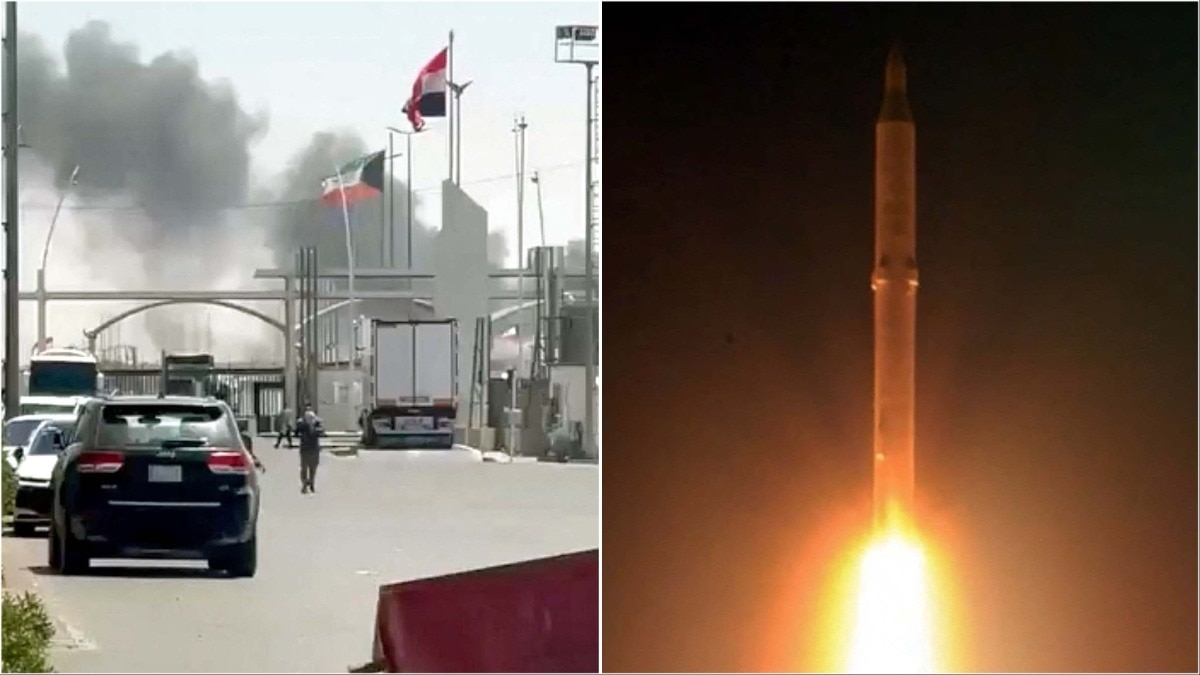
Tensions have escalated at the Kuwait-Iraq border, specifically near the Al-Abdali crossing, amidst a broader conflict involving Iran. The situation began with drone attacks, followed by aerial assaults, and now a significant risk of ground conflict looms over the region. This heightened military activity has raised concerns about the stability of the border area and the potential for wider regional implications. The Al-Abdali crossing is a key point of transit between the two nations, making any disruption there particularly impactful. The escalating nature of the attacks, from drones to aerial strikes, suggests a deliberate and potentially escalating military strategy. The threat of ground engagement further intensifies the precariousness of the situation, potentially drawing in additional regional actors. The proximity to Iran's ongoing conflicts is a significant factor contributing to the current instability. The international community is closely monitoring developments, seeking de-escalation to prevent further conflict.
The current tensions at the Kuwait-Iraq border, exacerbated by drone and aerial attacks, highlight the volatile geopolitical landscape in the region, particularly concerning Iran's influence and regional conflicts. The escalation from aerial to potential ground engagement indicates a strategic intensification, possibly aimed at disrupting regional trade routes or asserting territorial control. This situation underscores the systemic risk of proxy conflicts and cross-border incursions in areas with complex political dynamics. Future stability will likely depend on de-escalation efforts and clear diplomatic channels to prevent further entanglement of neighboring states in broader conflicts, considering the long-term implications for regional security architecture and economic interconnectedness.
AI-generated to prompt reflection — not editorial opinion, not advice, not a statement of fact. How this works.