Kyiv Plans to Replace Lenin Statue with Ukrainian Cossack Leader
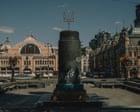
Ukraine is accelerating the removal of Soviet-era statues, a process that began in earnest after Russia's 2014 annexation of Crimea and has intensified since the 2022 invasion. The plinth on Taras Shevchenko Boulevard in Kyiv, which once held a statue of Soviet leader Vladimir Lenin, has been empty since 2013. The Lenin monument was toppled and destroyed by a crowd during Ukraine's Maidan revolution, which led to the ousting of a pro-Russian government. In June 2023, Ukrainian President Volodymyr Zelenskyy proposed replacing the fallen Lenin statue with a monument to Ivan Mazepa. Mazepa was a prominent Cossack military and political leader in the late 17th and early 18th centuries who famously broke with Moscow and fought for Ukraine's independence. Zelenskyy expressed his conviction that Mazepa would stand firm where Lenin had fallen, speaking next to a bust of Mazepa at the ancient Kyiv monastery, the Pechersk Lavra, which has been targeted by Russian missiles.
The proposed replacement of a Lenin statue with Ivan Mazepa signifies Ukraine's ongoing efforts to reassert its national identity and historical narrative, distancing itself from Soviet and Russian influence. This symbolic act reflects a broader geopolitical and cultural reorientation, emphasizing historical figures who championed Ukrainian sovereignty against external powers. Such de-Sovietization and de-Russification initiatives are critical for solidifying national cohesion and historical memory in the face of ongoing conflict. The move aligns with a long-term trend of reassessing historical legacies in post-Soviet states, particularly those seeking closer integration with Western structures and values. This process highlights the enduring power of historical symbolism in contemporary political discourse and national identity formation.
AI-generated to prompt reflection — not editorial opinion, not advice, not a statement of fact. How this works.