Kyocera to Invest $4.4 Billion in Semiconductor Sector, President Signals Aggressive Growth
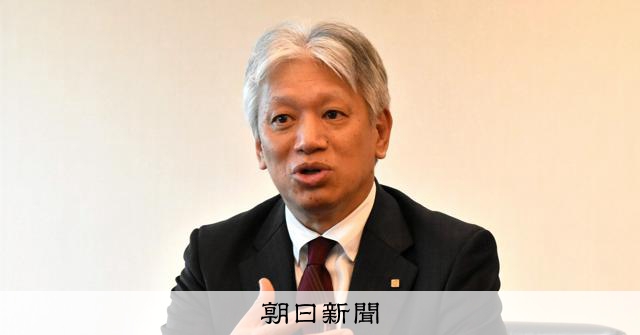
Kyocera Corporation has announced a significant investment of 650 billion yen (approximately $4.4 billion USD) into its semiconductor business. The company's president indicated that this move signals a phase of even more aggressive expansion and development within the sector. This substantial capital injection is intended to bolster Kyocera's capabilities and market position in the highly competitive semiconductor industry. The investment will likely be directed towards research and development, manufacturing capacity expansion, and potentially strategic acquisitions. Kyocera aims to leverage this investment to drive innovation and meet the growing global demand for advanced semiconductor components. The company's strategic focus on semiconductors underscores its commitment to this critical technology area. Further details regarding the specific allocation of funds are expected to be disclosed in the coming months. This initiative positions Kyocera to capitalize on future opportunities in the evolving technology landscape.
Kyocera's substantial investment in semiconductors reflects a strategic pivot towards a high-growth, technology-intensive sector. This move aligns with global trends emphasizing digital transformation and the increasing demand for advanced chips across various industries. The company's stated intention to "aggressively" pursue growth suggests a proactive approach to capturing market share and technological leadership. Such large-scale capital allocation in a capital-intensive industry necessitates careful consideration of R&D efficiency, supply chain resilience, and competitive dynamics. Over the next decade, the semiconductor landscape will be shaped by geopolitical factors, technological breakthroughs in areas like AI and quantum computing, and evolving manufacturing processes. Kyocera's investment positions it to navigate these complexities, but success will depend on its ability to innovate rapidly and adapt to market shifts.
AI-generated to prompt reflection — not editorial opinion, not advice, not a statement of fact. How this works.