Kyoto Court Rejects Bid to Halt Oi Nuclear Plant Operations
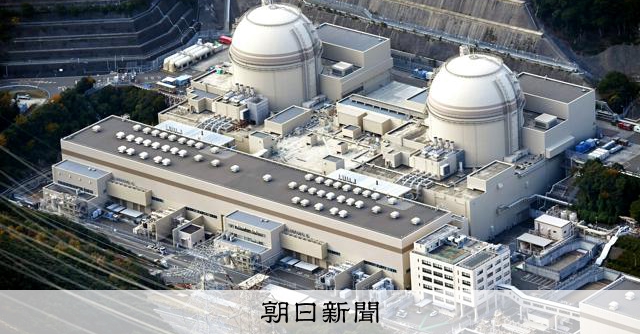
The Kyoto District Court has ruled against a request by local residents to halt the operation of the Oi Nuclear Power Plant. The court dismissed the lawsuit filed by residents, who had sought an injunction to prevent the plant from running. They had argued that the plant's safety measures were insufficient to protect against potential disasters, citing concerns about seismic activity and other natural hazards. The plaintiffs also expressed worries about the potential environmental impact and the safety of nuclear waste disposal. However, the court found that the current safety standards and the operator's implemented measures were adequate. The decision allows the Oi Nuclear Power Plant to continue its operations under the existing regulatory framework. This ruling comes after a period of intense public debate and legal challenges surrounding nuclear power in Japan, particularly following the Fukushima Daiichi disaster in 2011. The plaintiffs indicated they are considering an appeal of the district court's decision.
The Kyoto District Court's decision to permit the continued operation of the Oi Nuclear Power Plant, despite resident concerns, highlights the ongoing tension between energy security demands and public safety anxieties in Japan's post-Fukushima energy landscape. The ruling suggests a judicial assessment that current regulatory frameworks and operator safety protocols meet the required legal standards for operational approval. This outcome underscores the significant burden of proof placed on plaintiffs challenging established industrial operations, particularly when expert scientific and engineering consensus supports their safety. Future legal challenges may need to focus on demonstrating specific, demonstrable failures in regulatory oversight or operational execution rather than generalized risks. The long-term viability of nuclear power in Japan will likely depend not only on technological advancements and regulatory compliance but also on rebuilding public trust and addressing systemic vulnerabilities that could be exacerbated by evolving environmental and geopolitical factors over the next decade.
AI-generated to prompt reflection — not editorial opinion, not advice, not a statement of fact. How this works.