Kyoto's Gion Festival: 11 Floats Grace Post-Festival Procession Amidst Intense Heat
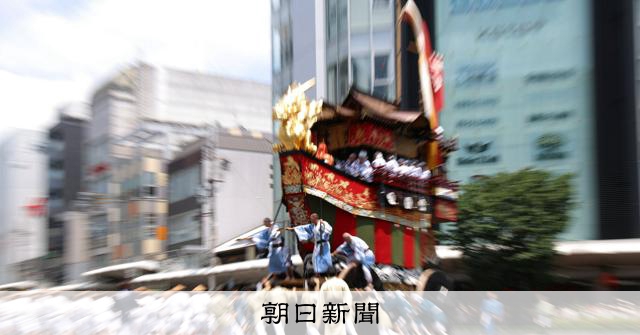
Kyoto, Japan, experienced the vibrant "Gozai-ike" (post-festival) procession of the Gion Festival on July 24th. Despite sweltering heat, eleven elaborately decorated floats, known as "yamaboko," paraded through the city. The procession marks the conclusion of the month-long festival, which is one of Japan's most famous and historic events. The Gion Festival has a history spanning over a thousand years, originating as a purification ritual to appease deities believed to be causing a plague. The "Go-sai-ike" procession features floats that were not part of the main "Ki-sai-ike" procession held earlier in the month. These eleven floats, including the "Koshindo-yama" and "Tsukiboshi-yama," made their way from Shijo-dori street to the Karasuma-dori street. The event drew large crowds of spectators, eager to witness the cultural spectacle despite the high temperatures. The floats are meticulously crafted and adorned with historical tapestries and artworks, representing different neighborhoods of Kyoto. The successful completion of the procession signifies the end of the festival's main events for the year.
The Gion Festival's post-festival procession, held amidst intense summer heat, highlights the enduring cultural significance of traditional events in Japan. The event's ability to draw large crowds, even under challenging weather conditions, underscores a deep societal connection to heritage and ritual. From a systems perspective, the festival represents a complex interplay of cultural preservation, tourism economics, and community organization. The continued adherence to centuries-old traditions, while visually captivating, also prompts consideration of how such events adapt to contemporary challenges like climate change and evolving audience engagement. The successful execution of the procession demonstrates robust logistical planning and community dedication, but also raises questions about the long-term sustainability and resource demands of large-scale cultural spectacles in a changing world.
AI-generated to prompt reflection — not editorial opinion, not advice, not a statement of fact. How this works.