Kyoto University Classifies Acute Myeloid Leukemia into 16 Types Based on Epigenomics
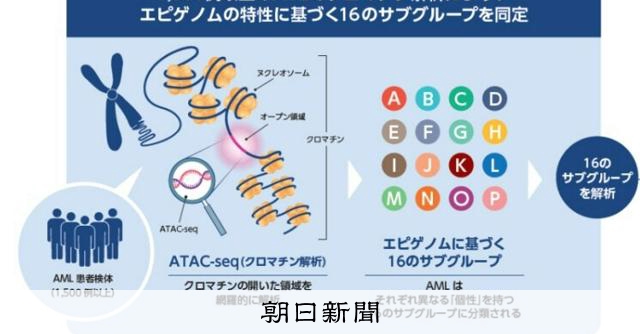
Researchers at Kyoto University have developed a new classification system for acute myeloid leukemia (AML), dividing the disease into 16 distinct subtypes. This novel approach focuses on the epigenome, which refers to the chemical modifications to DNA that regulate gene activity without altering the underlying DNA sequence. The study, published in the journal Nature, analyzed the epigenomic profiles of AML patients to identify these subtypes. This detailed classification is expected to provide a more precise understanding of the disease's heterogeneity. By identifying specific epigenomic signatures for each subtype, scientists hope to tailor more effective and personalized treatment strategies. Current treatments for AML often have limited success due to the diverse nature of the leukemia cells. This new classification aims to overcome these limitations by enabling targeted therapies. The research team believes this epigenomic approach will pave the way for significant advancements in AML diagnosis and treatment in the coming years. The ultimate goal is to improve patient outcomes and survival rates through more personalized medicine.
This advancement in classifying acute myeloid leukemia by focusing on epigenomic markers represents a significant shift towards precision medicine. By moving beyond traditional classifications, researchers are leveraging the dynamic nature of the epigenome to understand the diverse cellular mechanisms driving AML. This granular approach has the potential to unlock more targeted therapeutic interventions, addressing the inherent heterogeneity of the disease. The challenge ahead lies in translating these 16 distinct epigenomic subtypes into clinically actionable strategies that demonstrably improve patient survival and reduce treatment-related toxicities. Future research will need to validate these classifications across larger, diverse patient cohorts and explore the development of novel drugs that specifically target the aberrant epigenetic machinery identified in each subtype, aligning with the long-term trend towards individualized healthcare.
AI-generated to prompt reflection — not editorial opinion, not advice, not a statement of fact. How this works.