Kyoto University researchers suggest overlapping seismic waves amplified tremors, causing widespread destruction.
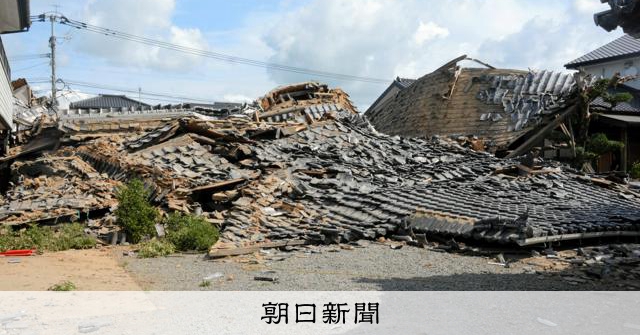
Researchers at Kyoto University's Disaster Prevention Research Institute are investigating the phenomenon of overlapping seismic waves as a potential cause for the amplified shaking that led to the collapse of numerous houses and temples. The overlapping of these waves is believed to have intensified the ground motion, exacerbating the damage during recent seismic events. This amplification mechanism could explain the widespread destruction observed, particularly the structural failures of buildings not typically considered vulnerable. The institute's findings aim to provide a clearer understanding of seismic wave interactions and their impact on urban and cultural heritage structures. Further analysis is underway to model the specific conditions under which such amplification occurs and its implications for future earthquake preparedness. The research highlights the complex nature of seismic wave propagation and its critical role in determining the severity of earthquake damage. Understanding this phenomenon is crucial for improving seismic-resistant building designs and urban planning strategies.
The research by Kyoto University's Disaster Prevention Research Institute points to a complex interaction of seismic waves as a key factor in amplifying earthquake damage. This perspective shifts focus from simple ground acceleration to the nuanced physics of wave superposition, suggesting that the design and placement of structures may need to account for these amplified effects. Understanding how wave interference can lead to disproportionate destruction is crucial for developing more resilient infrastructure in seismically active regions. Future building codes and urban planning could potentially incorporate models that predict and mitigate the impact of such wave amplification, thereby enhancing public safety and preserving cultural assets against the unpredictable forces of nature.
AI-generated to prompt reflection — not editorial opinion, not advice, not a statement of fact. How this works.