La Pampa Law Sparks Controversy Among Rural Producers Over Veterinary College Benefits
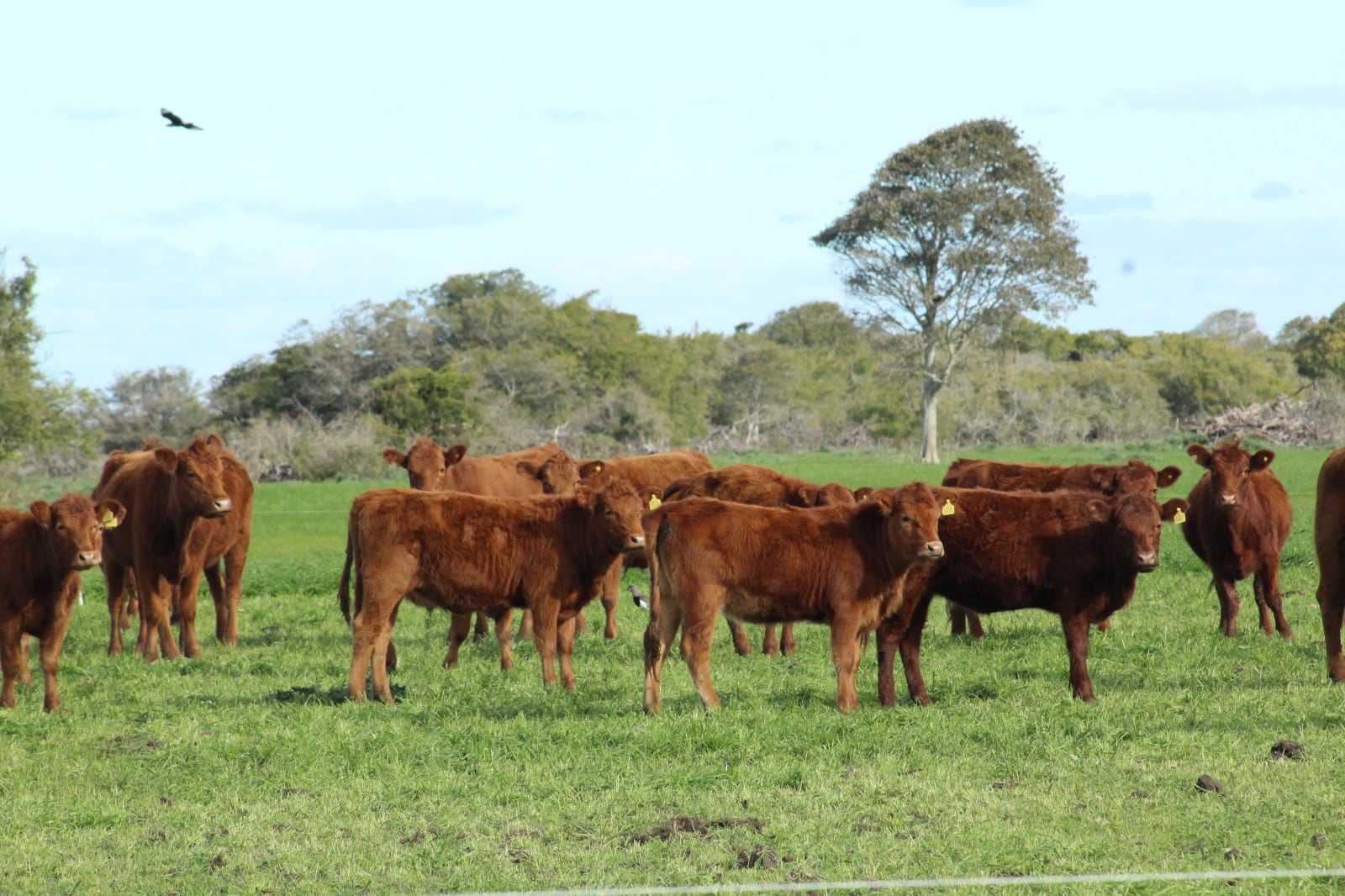
A controversial bill in La Pampa, Argentina, has ignited strong opposition from over 40 cattle breeders, rural entities, and producers. Critics argue the proposed legislation would create a "parallel Senasa" (National Agrifood Health and Quality Service), imposing new controls, tariffs, and trade barriers specifically for breeding animals. The primary concern is that the bill disproportionately benefits a specific veterinary college, potentially creating an unfair advantage and hindering the free movement and commerce of high-quality breeding stock. Producers fear these measures will increase operational costs and complicate the already complex process of animal trade. The rejection of the initiative highlights a deep concern among the agricultural sector regarding regulatory changes that could impact their livelihoods and the broader market dynamics of livestock breeding. The situation underscores the tension between regulatory oversight and the economic realities faced by producers.
This legislative proposal in La Pampa appears to create a regulatory framework that could concentrate power and economic benefits within a specific veterinary college, potentially at the expense of broader agricultural commerce. The "parallel Senasa" concern suggests a risk of fragmented or duplicated oversight, which can lead to increased compliance costs and inefficiencies for producers. Such structures may inadvertently stifle competition and innovation by erecting barriers to entry or trade for breeding animals. Evaluating the long-term implications requires considering whether this approach aligns with principles of fair market access and efficient agricultural governance, or if it risks creating a system that prioritizes institutional interests over the sector's overall health and competitiveness in the coming decade.
AI-generated to prompt reflection — not editorial opinion, not advice, not a statement of fact. How this works.