Lab-Created Life Sparks Debate on Unfiltered Scientific Publishing
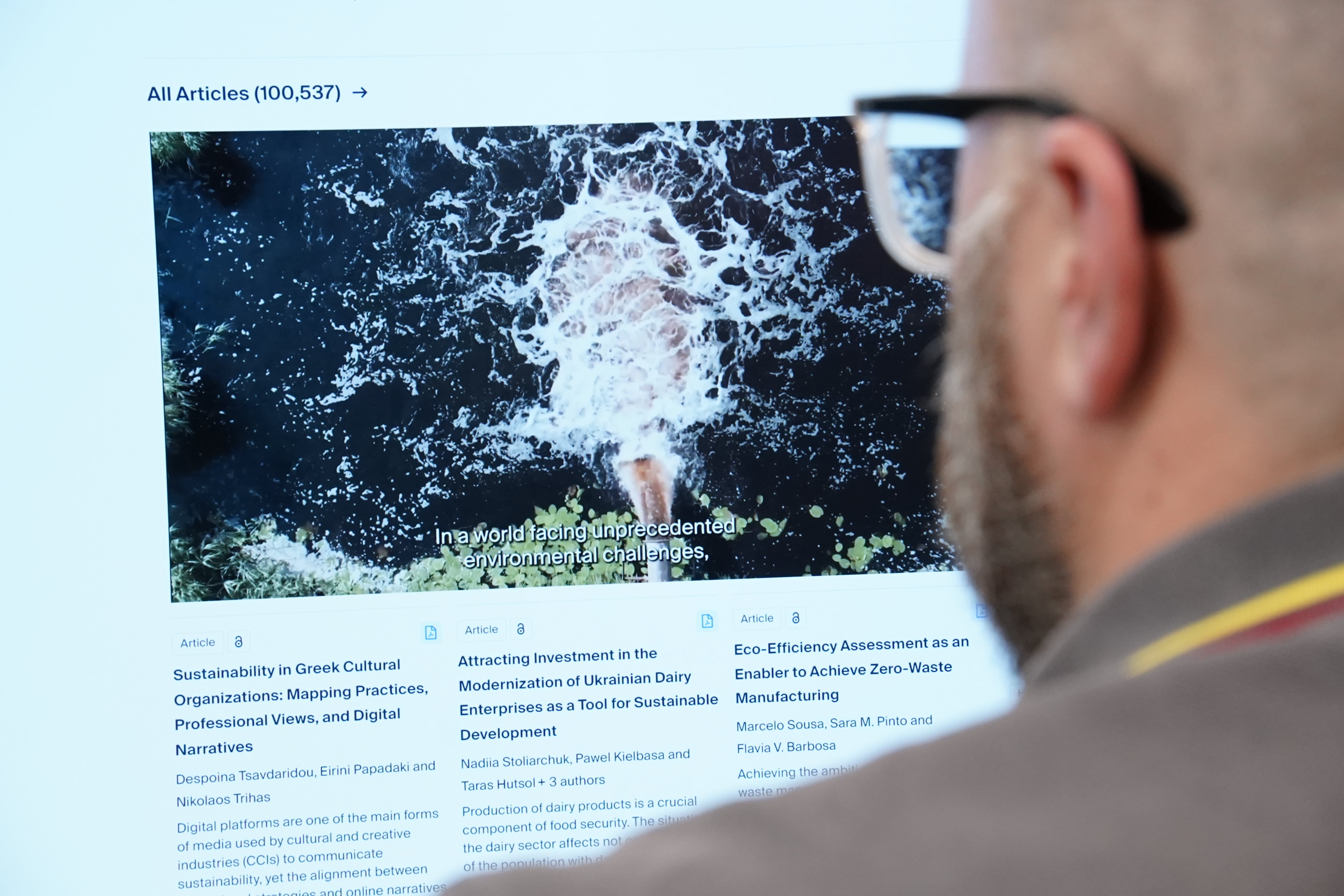
The announcement of the creation of life in a laboratory marks a significant development, raising concerns about the future of scientific publishing. This advancement suggests a potential shift towards a system where research is published without traditional peer review. Such a move could have unpredictable consequences for the scientific community and the public. The implications of publishing scientific breakthroughs without rigorous vetting are yet to be fully understood. This development challenges established norms in scientific communication and validation. The potential for rapid dissemination of findings, while seemingly beneficial, carries risks of misinformation or premature conclusions. The scientific community faces a critical juncture in balancing innovation with responsible disclosure.
The creation of life in a laboratory presents a pivotal moment, prompting a re-evaluation of scientific publishing paradigms. The potential move towards publishing without peer review, while accelerating knowledge dissemination, introduces significant risks of unverified claims and potential misinformation. This shift could challenge established scientific integrity frameworks, impacting public trust and the reliability of research. Navigating this requires a careful balance between fostering rapid innovation and maintaining rigorous validation processes. The long-term implications for scientific progress and societal understanding will depend on how these inherent tensions are managed, particularly in an era increasingly reliant on scientific advancement.
AI-generated to prompt reflection — not editorial opinion, not advice, not a statement of fact. How this works.