Lab-grown mini-brains show promise for predicting Alzheimer's treatment efficacy
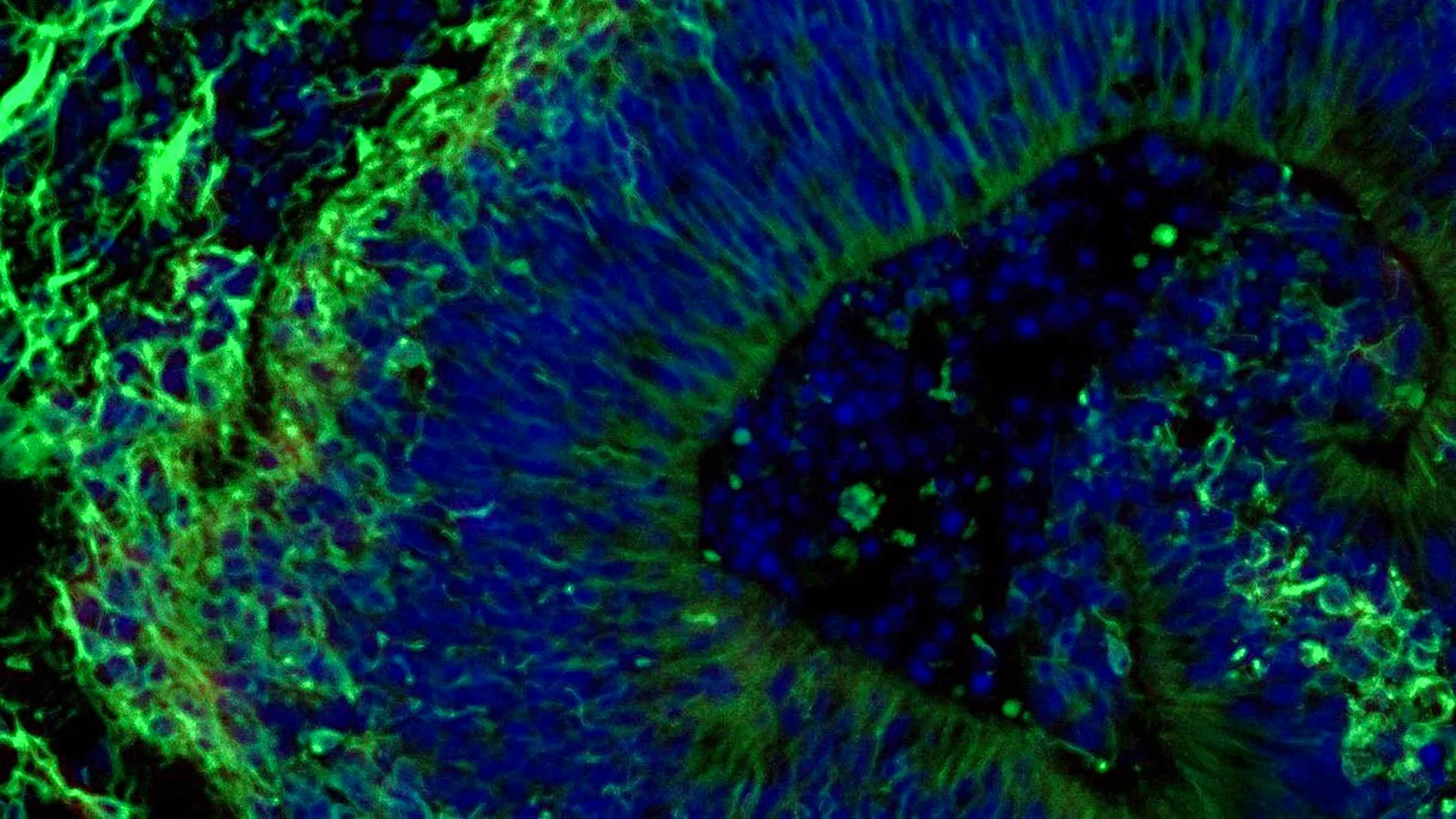
Miniature brain models, cultivated from patient-derived cells, have demonstrated the potential to reveal significant differences in how Alzheimer's-related tissue reacts to specific treatments. Researchers observed varying responses when these organoids were exposed to an antidepressant medication. The study highlights the possibility that these organoids, along with the particles they generate, could pave the way for more individualized therapeutic approaches for Alzheimer's disease. Furthermore, this innovative method might offer novel insights that could aid in the earlier and more accurate diagnosis of the condition. The development represents a significant step towards understanding the complex mechanisms of Alzheimer's and tailoring interventions to individual patient profiles.
This research introduces a novel biological model for studying Alzheimer's disease, potentially shifting therapeutic development from broad-stroke approaches to personalized medicine. By utilizing patient-specific organoids, the methodology aims to predict treatment efficacy at an individual level, addressing a critical unmet need in neurodegenerative disease management. This approach could mitigate the high failure rates in clinical trials for Alzheimer's drugs by pre-screening candidates against representative patient tissue. Looking ahead, the scalability and standardization of such organoid cultures will be key to their widespread adoption. The long-term implications include not only improved treatment outcomes but also a deeper understanding of disease heterogeneity and the development of more precise diagnostic tools.
AI-generated to prompt reflection — not editorial opinion, not advice, not a statement of fact. How this works.