Labor Prosecutors Give Sorocaba Water Authority 25 Days to Settle Harassment Probe
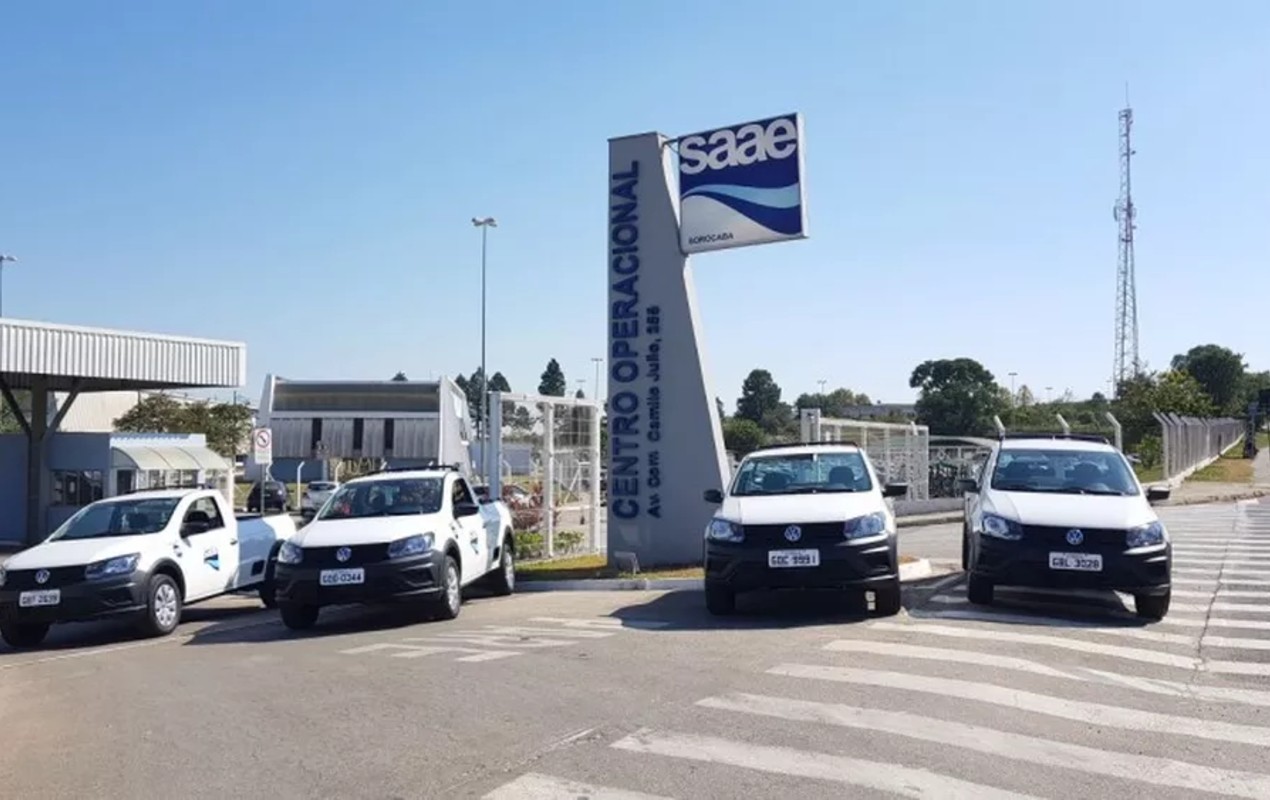
Brazil's Ministry of Public Labor (MPT) has given the Autonomous Service of Water and Sewage (Saae) of Sorocaba, São Paulo, a 25-day deadline to agree to a Conduct Adjustment Term (TAC) aimed at combating moral harassment among its employees. This is the second attempt by the MPT to reach such an agreement; failure to comply will result in legal action. The investigation, initiated in 2023, is examining allegations of moral harassment, functional persecution, and deficiencies in Saae's internal reporting channels. Saae stated it is cooperating with the civil inquiry but is unaware of the proposed TAC. Previously, Saae failed to respond to an initial 20-day notice issued on May 15th. The current deadline began on June 7th, and a lack of response will be interpreted as a lack of interest by the MPT, potentially leading to litigation. The investigation was prompted by 25 complaints received through Saae's reporting system, ten of which specifically concerned harassment. Saae argued that it did not initiate formal inquiries or disciplinary proceedings because its Moral Harassment Conciliation Commission is intended for conciliation, not punishment. However, the labor prosecutor deemed this approach insufficient, emphasizing that institutional action must extend beyond conciliation when there are indications of abusive conduct, retaliation, or mental health violations.
The situation at Saae Sorocaba highlights a systemic tension between administrative conciliation and the imperative for robust investigation and accountability in cases of workplace harassment. While Saae points to its conciliation commission and existing reporting mechanisms, the MPT's intervention suggests these processes may be perceived as inadequate for addressing the severity and potential recurrence of alleged misconduct. The MPT's proposed TAC outlines a more structured approach, mandating formal investigations, prohibiting purely conciliatory resolutions in cases of power imbalance, and ensuring protection for whistleblowers. This case underscores the evolving regulatory landscape where public entities are increasingly held to higher standards of governance and employee welfare, particularly in the face of potential legal challenges and public scrutiny. The next decade will likely see greater emphasis on proactive risk management and transparent grievance procedures within public administration.
AI-generated to prompt reflection — not editorial opinion, not advice, not a statement of fact. How this works.