Labor's National Conference: A Shift in Party Dynamics
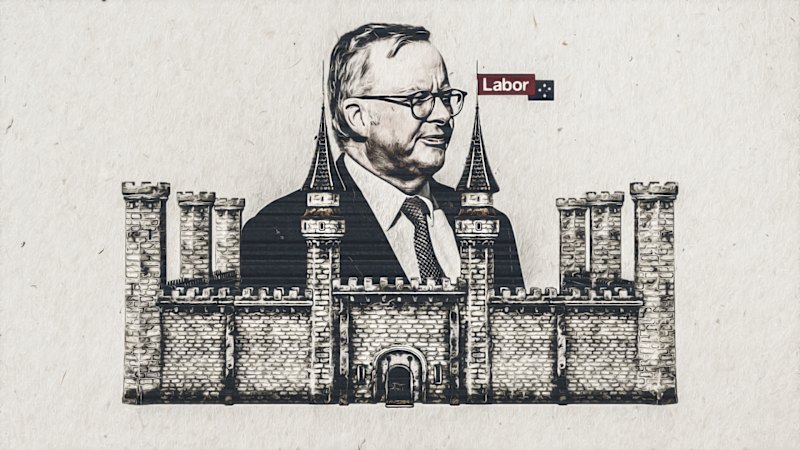
The Australian Labor Party is preparing for its national conference, scheduled for late next week. This upcoming event marks a significant departure from the conference's historical role and influence within the party. Sources indicate that the party, under Prime Minister Albanese's leadership, has established a strong central control in Canberra, a development that has reportedly caused internal dissent. While the exact nature of this internal dissatisfaction is not detailed, the implication is that some party members are uncomfortable with the current structure and decision-making processes. The conference, once a more open forum for debate and policy formation, appears to have evolved into a more tightly managed affair. This shift suggests a move towards greater centralized authority within the Labor Party, potentially impacting grassroots engagement and internal policy development.
The evolution of Labor's national conference reflects broader trends in political party organization, where centralized control can enhance strategic focus and electoral discipline. However, this consolidation of power may inadvertently stifle internal dissent and reduce the influence of diverse party factions. The reported internal discomfort suggests a potential trade-off between operational efficiency and democratic representation within the party structure. As political landscapes shift towards greater polarization and rapid information dissemination, parties face the challenge of balancing strong leadership with the need to maintain broad internal consensus and adapt to evolving societal expectations over the next decade.
AI-generated to prompt reflection — not editorial opinion, not advice, not a statement of fact. How this works.