Labor's Unity Under Albanese Faces Future Challenges
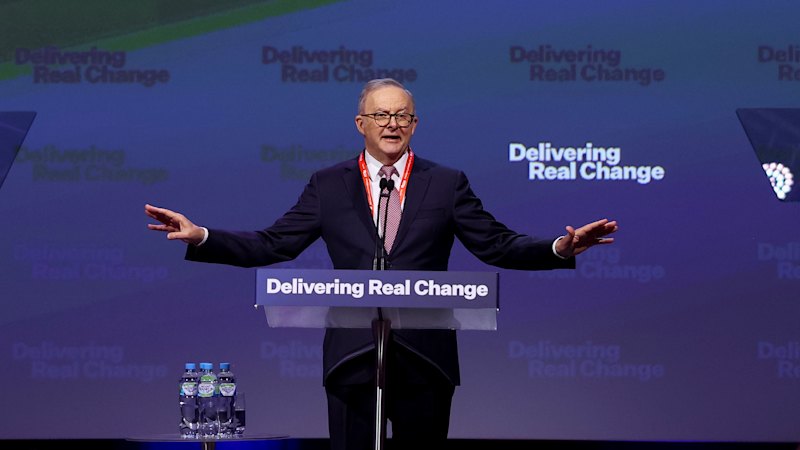
Australian Prime Minister Anthony Albanese's leadership has fostered unity within the governing Labor party, but the path forward presents significant challenges. The core question facing the party is how to sustain internal discipline while preserving its capacity for open discussion, debate, and persuasion. This internal dynamic is particularly relevant as Labor navigates its relationship with and response to the political party One Nation. Maintaining a cohesive front is crucial, but the party must also ensure it remains responsive to diverse viewpoints and public discourse. The ability to balance these competing demands will be key to Labor's long-term success and its effectiveness in governance. The upcoming political landscape will test Albanese's ability to manage these complexities, ensuring the party does not become insular despite its unified stance. The challenge lies in translating this internal cohesion into broader public trust and effective policy-making.
The Albanese government's success in maintaining party unity highlights the effectiveness of strong central leadership in navigating complex political environments. However, the inherent tension between discipline and open debate presents a persistent governance challenge. Future policy formulation and public engagement will depend on Labor's ability to institutionalize mechanisms that encourage diverse internal perspectives without compromising strategic coherence. This dynamic is particularly relevant in an era where adaptive governance requires constant recalibration based on evolving societal needs and technological shifts. The party's approach to managing internal dissent and fostering robust debate will shape its capacity to address future challenges and maintain public confidence over the next decade.
AI-generated to prompt reflection — not editorial opinion, not advice, not a statement of fact. How this works.