Ladakh's Jantar Mantar Protest: Beyond Key Figures and Political Engagement
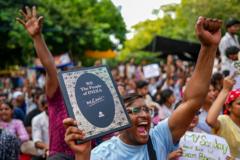
The protest at Jantar Mantar, a significant demonstration, has evolved beyond the direct involvement of key figures like Sonam Wangchuk. Wangchuk has concluded his hunger strike, a pivotal moment in the ongoing movement. Meanwhile, representatives from the 'Cockroach Janata Party' (a colloquial term likely referring to a specific political group or a satirical label) are engaged in discussions with the government. However, a substantial segment of the protest movement remains unrepresented in these negotiations. This large group of demonstrators expresses dissatisfaction, but their specific grievances and demands are not being voiced by either Wangchuk or the political party representatives. The situation highlights a potential disconnect between the leadership engaging with authorities and the broader base of the protest, raising questions about the movement's overall direction and inclusivity.
The dynamics of the Jantar Mantar protest reveal a common challenge in large-scale social movements: the potential divergence between prominent leaders and the broader participant base. While political engagement by groups like the 'Cockroach Janata Party' and the conclusion of hunger strikes by figures such as Sonam Wangchuk represent specific strategic phases, the core issue lies in ensuring that the unrepresented majority's dissent is effectively channeled. Future governance models for such movements will need robust mechanisms for broad-based representation and consensus-building to maintain momentum and achieve stated objectives. The long-term success hinges on bridging this gap between symbolic actions and the sustained, inclusive articulation of diverse grievances.
AI-generated to prompt reflection — not editorial opinion, not advice, not a statement of fact. How this works.