Lagos Region Mayors Seek State Support for Security and Infrastructure
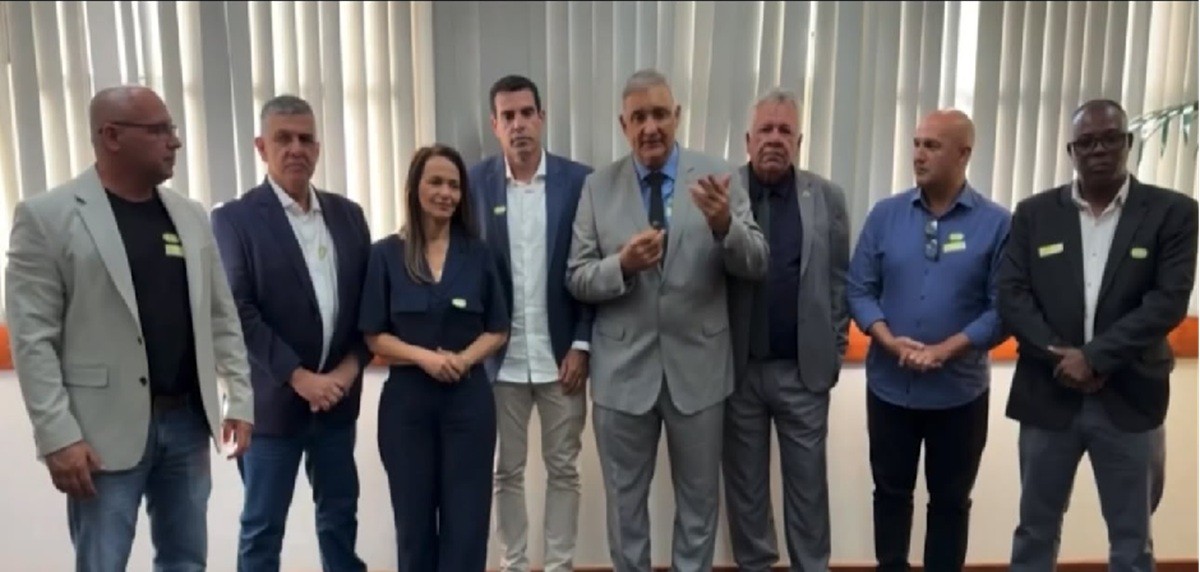
Mayors from the Lagos Region in Brazil met with the state's acting governor, Ricardo Couto, at the Guanabara Palace to present a unified list of demands. The meeting, organized by the Lagos Region Development Consortium (Conderlagos), focused on critical areas including public safety, infrastructure, road improvements, and the 'Limpa Rio' (Clean River) program. Key requests included the resumption of stalled state-funded construction projects, enhancements to regional highways, increased police presence, and a larger contingent of firefighters. The mayors emphasized the urgency of these needs in preparation for the upcoming high tourist season and in anticipation of the intensified weather events predicted by the Super El Niño phenomenon. Carlos Augusto, the mayor of Rio das Ostras and president of Conderlagos, highlighted the importance of addressing these issues to manage the expected influx of residents and visitors. State officials, including Secretary of State for Government Roberto Leão, stated that the fulfillment of these demands would be subject to budgetary priorities and established government policies, with some projects potentially deferred. A significant focus was placed on bolstering the 'Limpa Rio' program through the provision of additional machinery and personnel for cleaning rivers and drainage systems to mitigate flood risks. The mayors also stressed the need for sustained state-municipal partnerships to ensure the continuity of projects beyond electoral cycles, advocating for a permanent dialogue to prevent interruptions in development and investment within the Lagos Region.
This meeting highlights the persistent challenge of intergovernmental coordination in Brazil, particularly concerning the equitable distribution of state resources to regional municipalities. The mayors' collective approach, facilitated by Conderlagos, demonstrates a strategic effort to amplify their influence by presenting common demands, aiming to overcome the fragmentation often seen in local governance. The state's response, emphasizing budgetary constraints and prioritization, reflects standard public administration practices but also underscores the potential for political considerations to shape project implementation. The focus on the 'Limpa Rio' program and flood prevention, amplified by climate change predictions like Super El Niño, points to a growing need for proactive, long-term infrastructure investment that transcends short-term political cycles. The mayors' call for sustained partnerships suggests a systemic issue where project continuity is often jeopardized by electoral transitions, indicating a need for more robust, independent planning and funding mechanisms to ensure regional development.
AI-generated to prompt reflection — not editorial opinion, not advice, not a statement of fact. How this works.