Lahore High Court allows judicial officers to buy official cars at depreciated rates
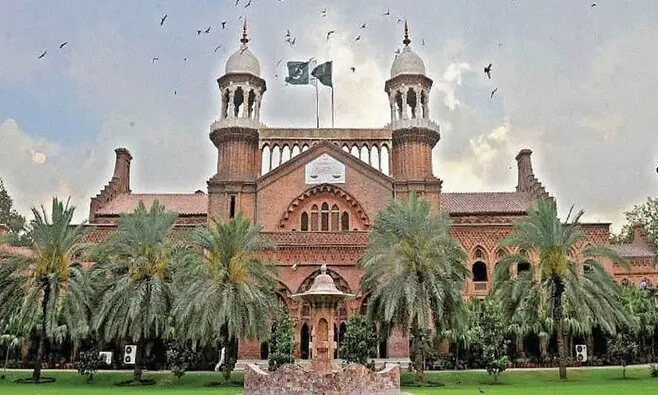
The Lahore High Court (LHC) has implemented a new Transport Monetisation Policy for judicial officers across Punjab's district judiciary. Approved by LHC Chief Justice Aalia Neelum, the policy allows these officers to purchase their officially allotted vehicles at a depreciated price. This change, effective retroactively from July 1, 2026, means officers will no longer receive fuel, maintenance, or driver services for personal use. Instead, they will receive a monthly transport monetisation allowance, with rates adjusted based on fuel prices and economic conditions.
Judicial officers have the option to buy their current official vehicles at a depreciated lump-sum cost. The depreciation is calculated at 15% for the first year and 10% for subsequent years from the original purchase price. However, a minimum sale price is set at Rs200,000 for vehicles up to 1000cc and Rs250,000 for those 1300cc and above. Payment must be made in full via pay order or demand draft to the LHC registrar. Officers who decline the purchase must surrender their vehicles immediately. Purchased vehicles will be re-registered as private property, with all associated costs and taxes borne by the officer. The policy also extends the purchase option to the surviving spouse of a judicial officer who dies in service, provided they meet specific conditions. Officers under disciplinary proceedings or those who have already returned official vehicles are generally ineligible, though probationary officers may qualify under certain circumstances. A central pool of official vehicles will be maintained for official duties in each district, with any surplus vehicles reported to the LHC.
This policy shift from direct vehicle provision to a monetised allowance and purchase option reflects a broader trend in public sector resource management, aiming for greater efficiency and reduced administrative overhead. By allowing judicial officers to purchase vehicles, the LHC potentially transfers maintenance and depreciation costs to individuals, while the allowance aims to compensate for personal use. The retrospective application and specific depreciation rates suggest an effort to standardize and formalize practices, possibly addressing previous ambiguities or inefficiencies. Future considerations might involve evaluating the long-term impact on the judicial fleet's availability for official duties and ensuring the allowance mechanism adequately accounts for varying economic conditions and regional cost differences to maintain equity and operational effectiveness.
AI-generated to prompt reflection — not editorial opinion, not advice, not a statement of fact. How this works.