Lahore Traffic Police to Verify Criminal Records of 348,000 Commercial Drivers
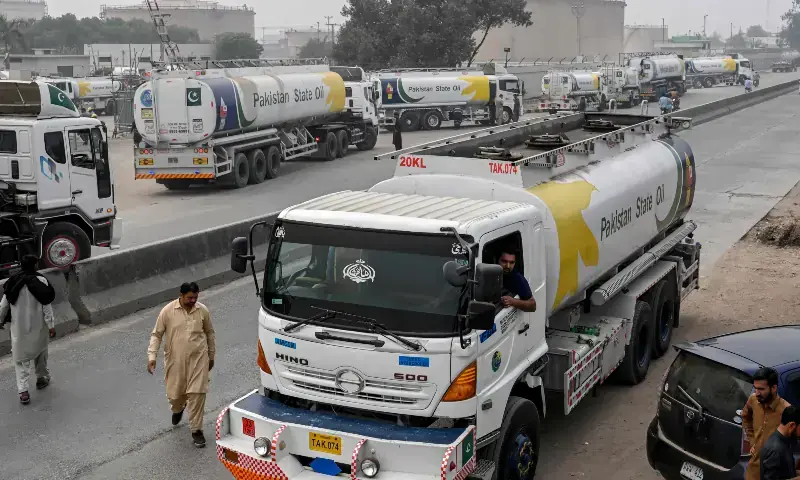
Lahore's city traffic police are initiating a comprehensive criminal record verification for 348,000 commercial vehicle drivers following a concerning trend of fatal road crashes. Official data presented at a high-level meeting revealed that commercial vehicles, despite constituting only about five percent of the city's 8.2 million registered vehicles, are implicated in 48 percent of all fatal road accidents in Lahore. The decision was made during a meeting chaired by Chief Traffic Officer (CTO) Syed Abdul Raheem Shirazi, which reviewed the increasing number of crashes involving commercial and public service vehicles. SP Headquarters Fakhar Bashir Raja has been tasked with analyzing crash patterns and proposing evidence-based solutions to reduce fatalities. The verification process will examine criminal backgrounds, driving histories, license status, and overall eligibility of each driver. CTO Shirazi stated that drivers with criminal records, a history of repeated crashes, or habitual violations will be denied permits to operate commercial vehicles. Transport unions and owners have been instructed to conduct thorough background checks, including character certificates and record clearances, before employing drivers. The traffic police aim to reduce serious and fatal crashes by holding both negligent drivers and owners who knowingly employ high-risk individuals accountable under the law. Additionally, the verification will extend to driving licenses, with strict enforcement against those operating vehicles with fake, forged, expired, or suspended licenses.
This initiative by Lahore's traffic police addresses a critical public safety issue where a small percentage of vehicles contributes disproportionately to fatal accidents. The focus on criminal records and driving history for commercial drivers, alongside accountability for owners, represents a systemic approach to improving road safety. In the context of an increasingly automated future, such stringent pre-employment vetting and continuous monitoring of driver fitness are essential. This policy could serve as a model for other urban centers grappling with similar challenges, highlighting the need for robust regulatory frameworks that balance economic activity with public well-being. The emphasis on data-driven interventions and accountability mechanisms is crucial for building trust and ensuring compliance in the transportation sector.
AI-generated to prompt reflection — not editorial opinion, not advice, not a statement of fact. How this works.
