Lake Powell Nears Critically Low Water Levels, Data Reveals
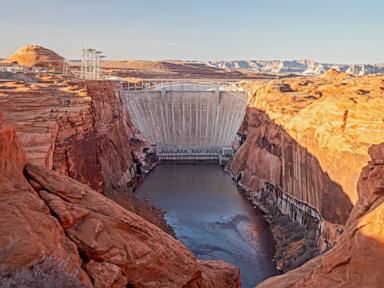
Lake Powell, the United States' second-largest reservoir, is approaching dangerously low water elevation levels, according to recent data. This critical situation highlights the ongoing challenges associated with water management in the region. The reservoir's declining levels have significant implications for water supply, power generation, and the environment. Experts are closely monitoring the situation as it develops. Further data will be crucial in understanding the full scope of the issue and potential impacts. The severity of these low levels underscores the need for proactive strategies to address water scarcity.
The diminishing water levels in Lake Powell, a vital U.S. reservoir, signal a critical juncture in regional water resource management. This situation reflects broader trends of climate variability and increasing demand on water supplies, particularly in arid and semi-arid regions. The long-term sustainability of such large-scale water infrastructure is increasingly being tested by these environmental pressures. Future planning must consider adaptive strategies that balance ecological needs with human consumption and energy production, potentially involving infrastructure modernization, water conservation initiatives, and inter-state resource allocation agreements. The event prompts a re-evaluation of how water resources are managed in the face of a changing climate and growing populations.
AI-generated to prompt reflection — not editorial opinion, not advice, not a statement of fact. How this works.