Lake Velence Water Levels Plummet to Historic Lows Amid Drought in Hungary
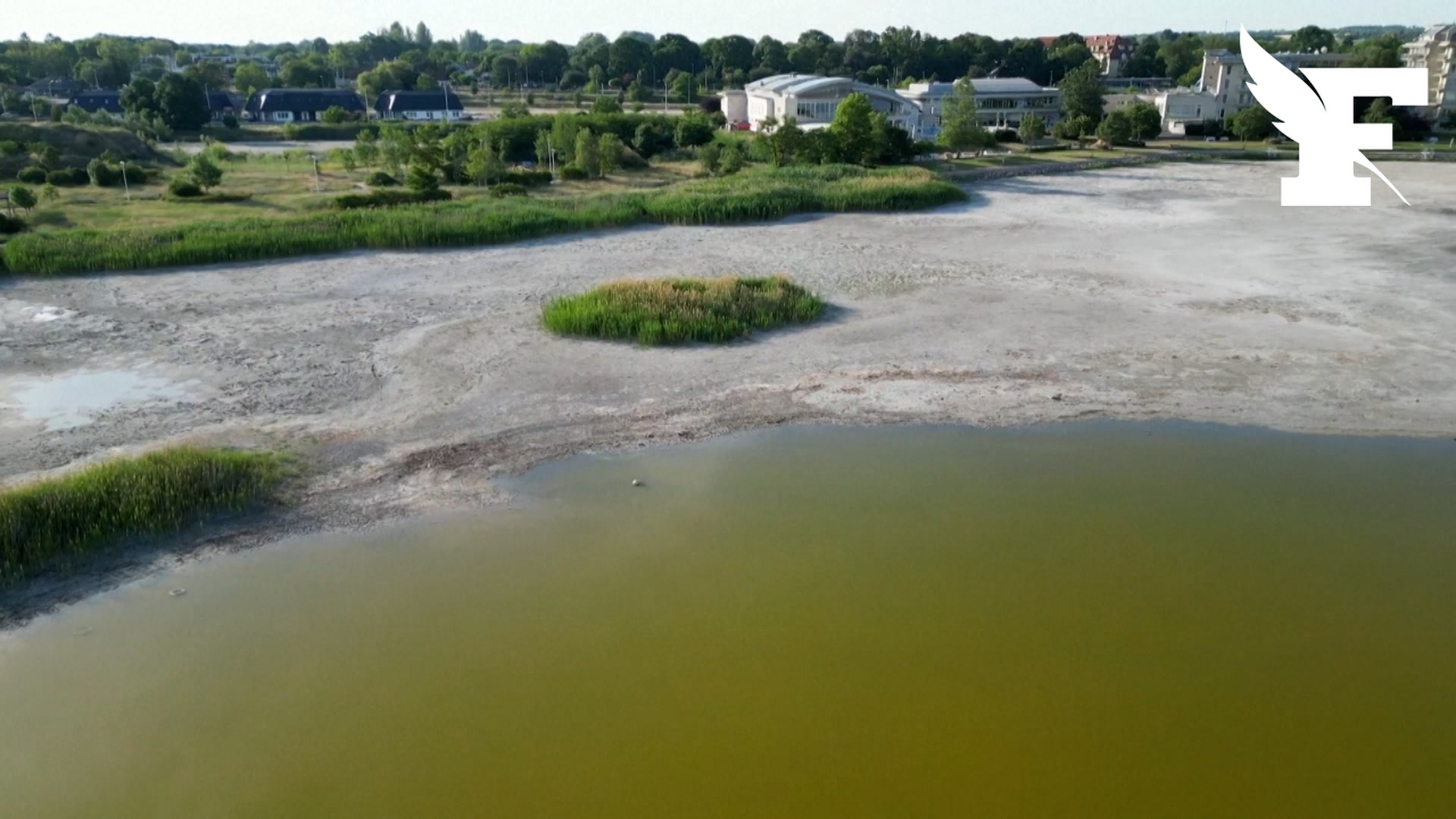
The water level of Lake Velence, located near Budapest, Hungary, has dropped to a historic low of 41 centimeters. This marks the lowest level recorded for the lake since 1931. The severe aridification is affecting the entire country, leading to a chronic water deficit. The dramatic reduction in water levels has resulted in swimmers being driven away from the lake, a popular recreational spot. This situation highlights a broader, ongoing drought crisis impacting Hungary's water resources. The low water levels pose significant challenges for the local ecosystem and the communities that rely on the lake. Authorities are likely facing difficult decisions regarding water management and conservation efforts in response to this persistent environmental issue. The long-term implications for Hungary's water security are a growing concern as such extreme weather events become more frequent.
The critically low water levels at Lake Velence underscore the intensifying impact of climate change on regional water resources. This chronic deficit, exacerbated by prolonged drought conditions across Hungary, points to systemic vulnerabilities in water management infrastructure and potentially insufficient long-term planning for aridification. The situation necessitates a strategic re-evaluation of water usage policies, agricultural practices, and urban development to build resilience against future climate shocks. Exploring innovative water conservation technologies and inter-regional water sharing agreements may become crucial for mitigating such crises in the coming decade, ensuring both ecological health and human needs are met.
AI-generated to prompt reflection — not editorial opinion, not advice, not a statement of fact. How this works.