Lamine Yamal: Spain's Young Star, Son of Immigrants, Fights Racism
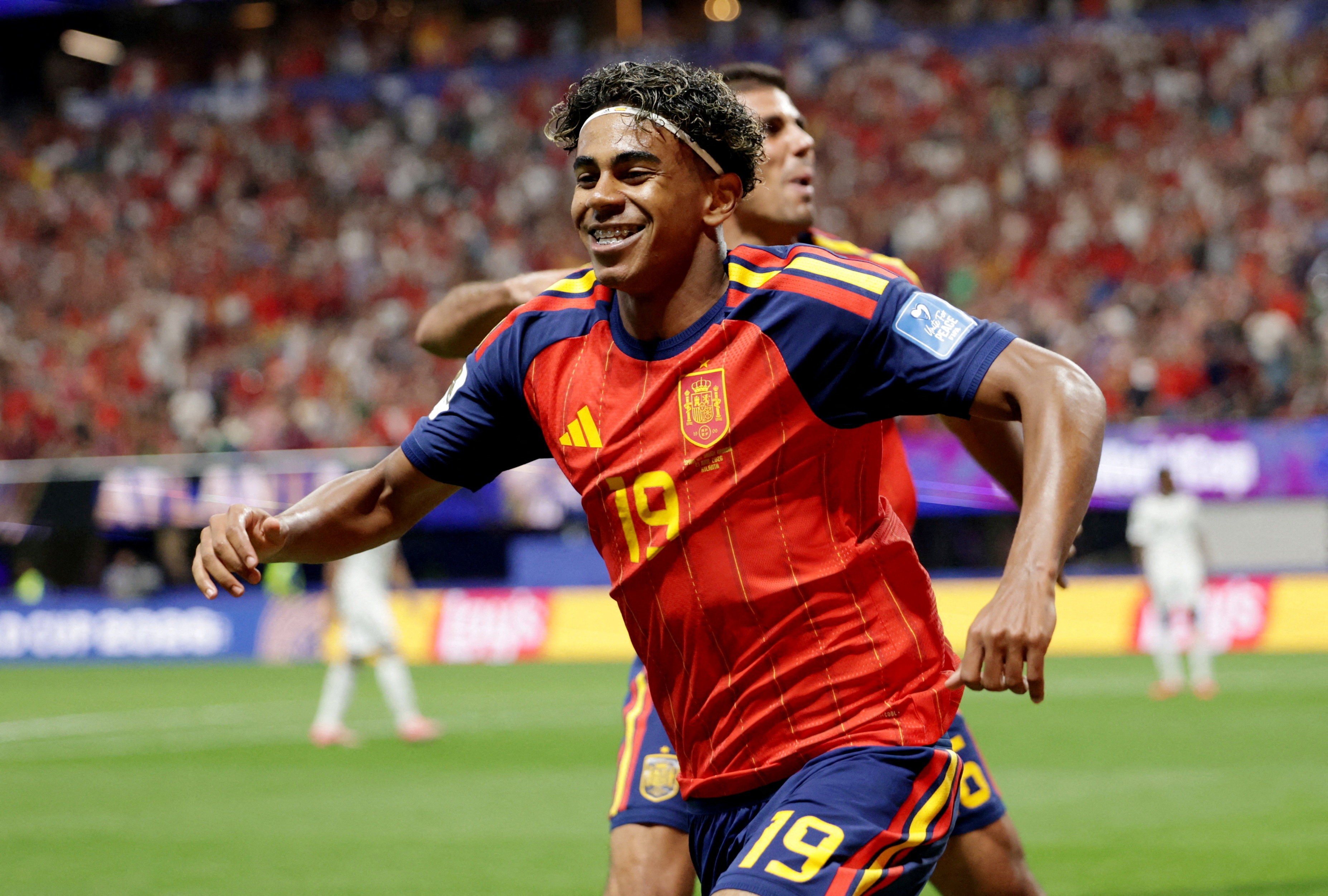
Lamine Yamal, a 19-year-old rising star for the Spanish national football team, is a key player in their bid for the 2026 World Cup title against Argentina. Born on July 13, 2007, in Esplugues de Llobregat, near Barcelona, Yamal's background is a testament to Spain's modern diversity. His father, Mounir Nasraoui, is Moroccan, and his mother, Sheila Ebana, is from Equatorial Guinea. Yamal proudly embraces both his African and Spanish heritage. He spent most of his childhood in Rocafonda, a working-class neighborhood in Mataró known for its immigrant population and lower-income families, a place he credits for shaping him personally. The number '304', often seen in his celebrations, references Rocafonda's postal code. Yamal's family faced financial hardship, with his parents being very young when he was born and working multiple jobs to support him. His mother worked as a waitress, and his father was a painter. Despite his footballing success, Yamal has prioritized his education, even studying during the Euro 2024 tournament with support from the Spanish Football Federation. His younger half-brother, Keyne, born in September 2022, has become an internet sensation with his lively reactions at matches, often seen as an informal mascot for the team. Yamal expresses deep affection for Keyne, calling him his everything. Tragically, Yamal has also been a target of racism and Islamophobia. He has publicly denounced anti-Muslim chants during a friendly match and racist insults during a clásico between Real Madrid and Barcelona in October 2024, becoming a vocal opponent of discrimination in sports.
Lamine Yamal's journey highlights the evolving demographics of European football and the increasing visibility of players from immigrant backgrounds. His experiences underscore the dual challenges of navigating elite sports while confronting prejudice, both within stadiums and society. The narrative also implicitly touches on the socio-economic factors that shape athletic talent development, suggesting that success can emerge from diverse and often challenging environments. As football continues to globalize, the integration of players with multicultural identities and their public stances on discrimination will likely play a significant role in shaping sports' social impact and promoting inclusivity in the coming decade.
AI-generated to prompt reflection — not editorial opinion, not advice, not a statement of fact. How this works.