Land Dispute Erupts Between Coastal Communities and Indigenous Peoples in Sierra Nevada
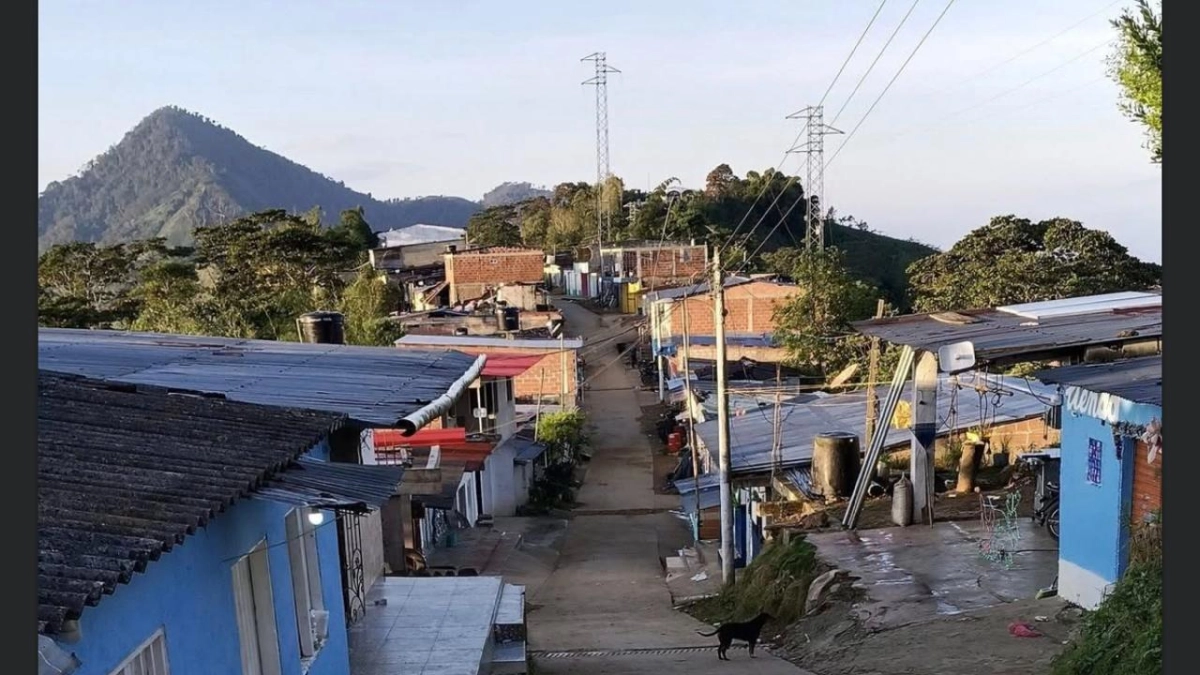
A new land confrontation is underway, pitting the communities of Taganga and Palmor against indigenous peoples from the Sierra Nevada de Santa Marta in Colombia. Residents from both Taganga and Palmor are expressing significant concerns about the potential loss of their properties, investments, and economic stability. These fears stem from territorial claims being made by an indigenous council. The dispute highlights the ongoing tensions surrounding land rights and resource allocation in the region. The indigenous council's claims are central to the current conflict, raising questions about historical land ownership and current usage. The economic implications for the affected communities are a major point of contention. This situation underscores the complex challenges of managing land resources where multiple groups have competing interests. The outcome of these territorial claims could have lasting effects on the socio-economic landscape of Taganga, Palmor, and the surrounding indigenous territories.
This land dispute highlights the complex interplay of historical claims, economic development, and indigenous rights in post-conflict regions. The core issue revolves around competing interpretations of land ownership and usage, likely influenced by past governmental policies and evolving societal structures. The economic anxieties of the Taganga and Palmor communities, concerning investments and stability, represent a tangible consequence of unresolved territorial claims. From a systems perspective, this conflict underscores the need for robust, transparent, and equitable land governance frameworks that can mediate between diverse stakeholder interests. Future policy interventions should consider mechanisms for collaborative land management and benefit-sharing, aiming to foster long-term coexistence and sustainable development, rather than perpetuating zero-sum outcomes. The resolution will likely require engagement with legal, historical, and socio-economic dimensions to ensure lasting peace and equitable resource distribution.
AI-generated to prompt reflection — not editorial opinion, not advice, not a statement of fact. How this works.