Land Mafia Sells 83 Bighas of Government Land in Prayagraj
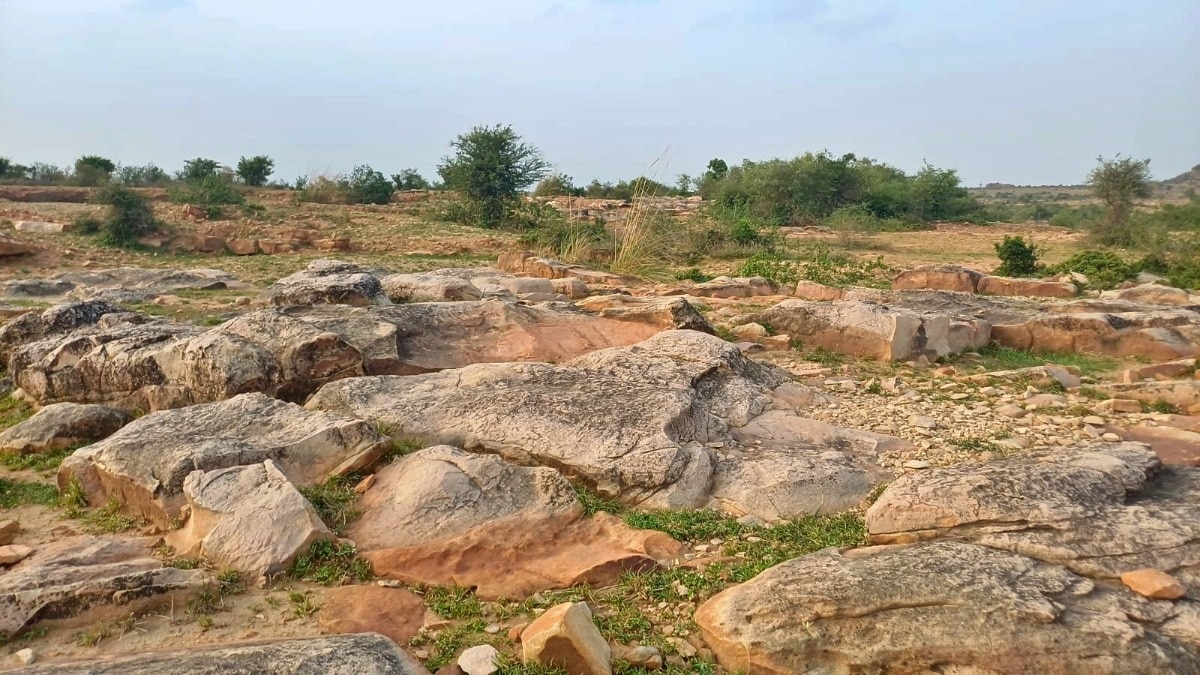
In Prayagraj, Uttar Pradesh, land mafias and fraudsters have fraudulently registered and sold 83 bighas of government land, valued in crores of rupees. This land was officially recorded in revenue records as a public account 'mountain'. Following this illegal activity, the administration has taken action by filing an FIR against 19 individuals. The land in question was designated for public use and its sale represents a significant loss of public assets. The authorities are now investigating the extent of the fraud and the identities of all involved parties. This incident highlights a serious issue of land grabbing and corruption within the region. The government is expected to take further steps to recover the land and prevent future encroachments. The FIR filing is the first step in a legal process to hold the perpetrators accountable. The estimated value of the land underscores the scale of the financial crime committed. This case is likely to draw attention to the effectiveness of land record management and enforcement mechanisms in Uttar Pradesh.
This event exposes a systemic vulnerability in land record management and the potential for coordinated illicit activity to exploit it. The fraudulent transfer and sale of 83 bighas of public land suggest a breakdown in oversight and due diligence processes. The administration's response, filing an FIR against 19 individuals, initiates a legal accountability framework. However, the long-term implications involve not only the recovery of the asset but also strengthening the institutional safeguards against such large-scale land fraud. Future policy considerations should focus on enhancing digital land registries, implementing multi-factor verification for transactions, and establishing more robust mechanisms for public land monitoring to prevent similar occurrences. The incident prompts reflection on the incentives driving such criminal enterprises and the effectiveness of deterrents in place.
AI-generated to prompt reflection — not editorial opinion, not advice, not a statement of fact. How this works.