Landless farmer demands farmland to move livestock out of town
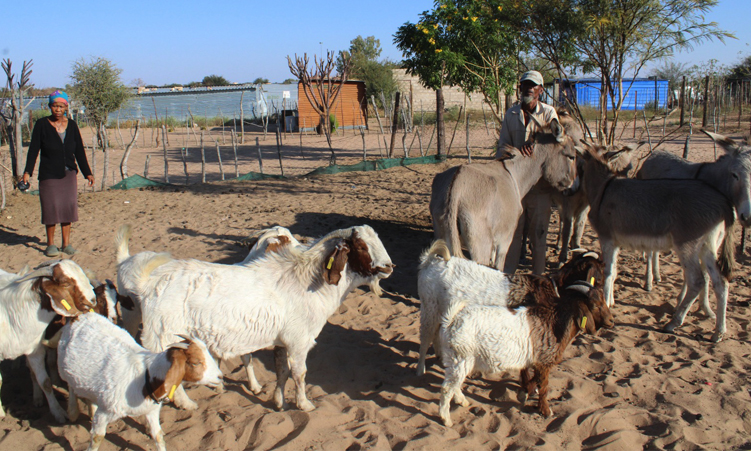
A landless farmer, Markus Aoxamub, 58, has stated that if the Gobabis municipality does not permit him to keep his goats and donkeys within the town, the government must provide him with a piece of land for farming. Aoxamub expressed his willingness to relocate his livestock out of the municipality, but only if a suitable farming area is allocated. This demand highlights a growing concern among landless farmers who seek designated areas for raising livestock, rather than being confined to urban or peri-urban settings. The situation underscores the tension between municipal bylaws, which often restrict livestock in towns, and the practical needs of farmers who rely on their animals for livelihood. The farmer's statement implies a broader issue of land access and allocation for agricultural purposes in the region.
This situation reflects a common challenge in developing regions where urban expansion and agricultural needs intersect. Municipalities often face pressure to maintain urban aesthetics and public health standards, leading to restrictions on livestock within town limits. However, landless farmers, like Markus Aoxamub, depend on these animals for their economic survival and may lack alternative land resources. The core issue is a systemic one of land governance and resource allocation. Without clear policies and sufficient land designated for agricultural use, particularly for subsistence farmers, such conflicts are likely to persist. Future planning should consider integrated land-use strategies that balance urban development with the essential needs of the agricultural sector, potentially through land reform or the establishment of peri-urban agricultural zones.
AI-generated to prompt reflection — not editorial opinion, not advice, not a statement of fact. How this works.