Landless Management: Policy Reforms and Practical Challenges
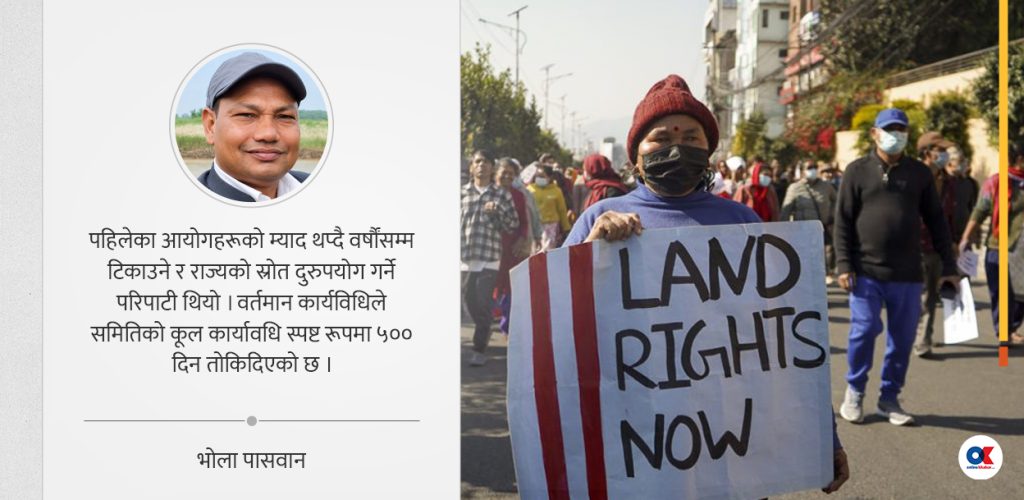
The success of any government initiative hinges not merely on the theoretical elegance of laws, ordinances, and regulations, but crucially on their faithful and honest implementation. This principle is particularly relevant to landless management, where policy reforms often face significant practical hurdles. Ensuring that legal frameworks translate into tangible benefits for landless populations requires overcoming complex challenges on the ground. The effectiveness of land reform policies is ultimately measured by their ability to bring about equitable land distribution and improve the livelihoods of those without land. Therefore, a focus on robust execution and genuine commitment is essential for achieving the intended outcomes. Without sincere implementation, even the most well-intentioned policies risk becoming mere bureaucratic exercises, failing to address the core issues of landlessness.
The statement highlights a common governance challenge where the gap between policy formulation and effective execution can undermine intended outcomes. For landless management, this suggests that legislative improvements alone are insufficient. The practical implementation phase is critical, requiring administrative capacity, resource allocation, and potentially addressing entrenched interests or systemic inefficiencies. Future policy design should therefore prioritize not only legislative soundness but also a clear roadmap for execution, stakeholder engagement, and mechanisms for accountability to ensure that reforms translate into tangible improvements for landless citizens. This approach is vital for fostering social equity and sustainable development in the long term.
AI-generated to prompt reflection — not editorial opinion, not advice, not a statement of fact. How this works.