Landmine Explosion on Bangladesh-Myanmar Border Severely Injures Bangladeshi Youth
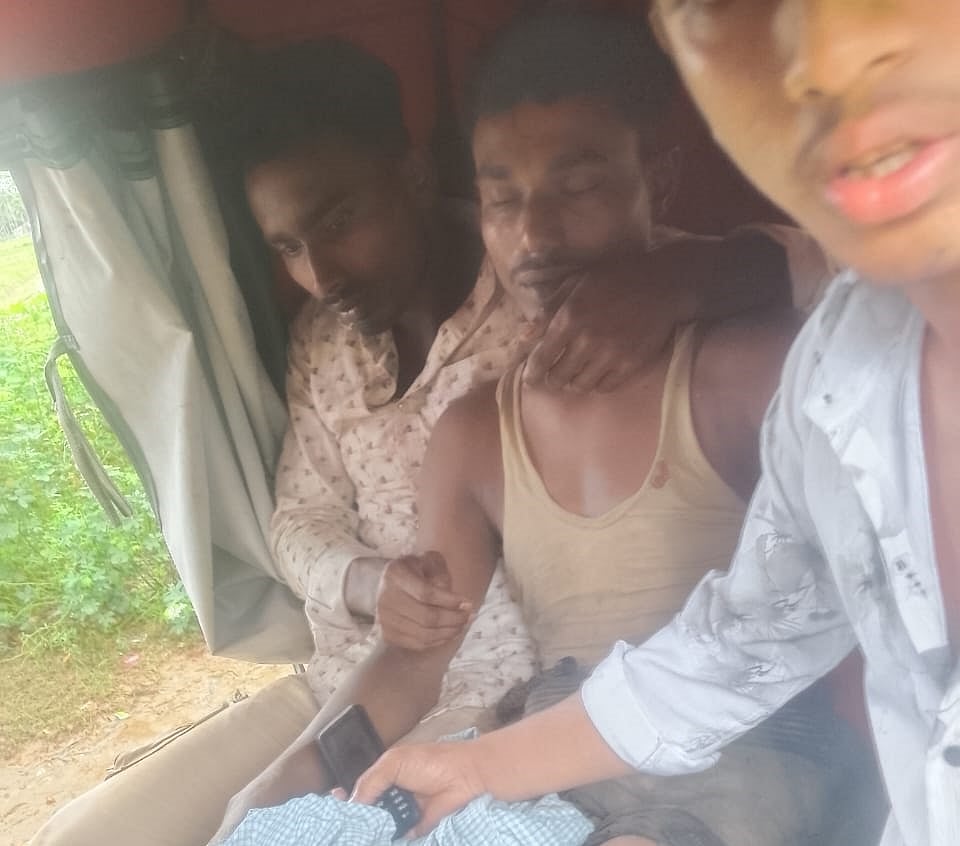
A 25-year-old Bangladeshi man, Abdul Karim, suffered severe injuries, including the amputation of his lower left leg, after a landmine explosion on the Myanmar side of the border. The incident occurred around 2 PM on Tuesday near the 46-47 border pillars in the Jarulichhari area of Naikkhyangchhari Upazila, Bandarban district. The explosion took place approximately 100 meters inside Myanmar, in the Rakhine State, near a post controlled by the Arakan Army, an armed ethnic group. Abdul Karim, son of Moktul Hossain from Jarulichhari, was rescued by locals and transported to Cox's Bazar Sadar Hospital for advanced treatment. The Officer-in-Charge of Naikkhyangchhari Police Station, Mojammel Haque, confirmed the incident, emphasizing it happened within Myanmar. Information regarding why Karim crossed into Myanmar is being gathered. Local security officials indicated that the Arakan Army has planted numerous landmines along the border, particularly near the barbed wire fence, to prevent infiltration. The area is known for cross-border activities such as farming, drug smuggling, and cattle trafficking. Karim had reportedly entered Rakhine State with three companions around 12:30 PM, crossing the zero line. His companions fled back to Bangladesh after the explosion and provided information that led to his rescue.
This incident highlights the perilous consequences of unchecked border security measures and the volatile geopolitical situation in the Rakhine State. The presence of landmines, allegedly planted by the Arakan Army, poses a significant risk to civilians on both sides of the border, particularly those engaged in cross-border economic activities. The event underscores the systemic challenges in managing border integrity while ensuring civilian safety, especially in regions experiencing protracted conflict. Future efforts should focus on de-escalation, transparent border management protocols, and international cooperation to clear mined areas and prevent further tragedies, considering the long-term implications of such hazards on regional stability and human security in the coming decade.
AI-generated to prompt reflection — not editorial opinion, not advice, not a statement of fact. How this works.