Landowner Released, Tenant Sought in Massive Marijuana Farm Case in Ceará
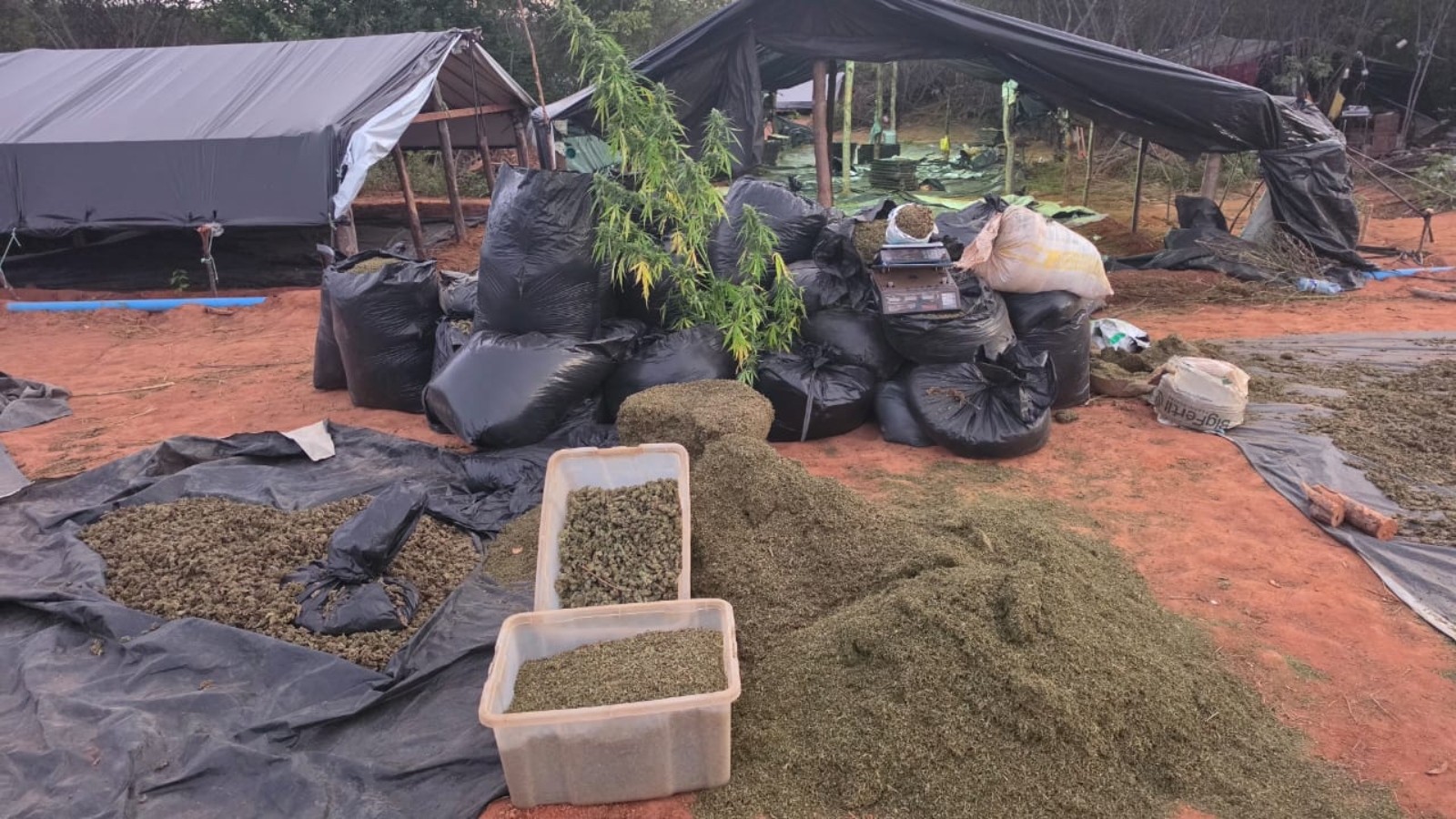
João Holanda Neto, the owner of a farm in Acopiara, Ceará, where approximately 290,000 marijuana plants were discovered, has been released after a temporary arrest. Neto was arrested on Thursday and released on Friday, following an investigation into drug trafficking. His family claims the true perpetrator is Cristiano Rodrigues de Lima, who leased the land in 2025. Neto, who appeared distressed in a video pleading for the tenant to surrender, stated he had leased the property since October 2025, with the contract formalized in January of this year. His defense attorney, Maria Lopes, asserts Neto had not entered the land since the lease was formalized, only visiting the front where a small shed stored personal items, from which the plantation was not visible. The police are still searching for Rodrigues de Lima. The operation uncovered around 160,000 plants under cultivation and 130,000 harvested, totaling an estimated 5 tons of marijuana. Camps used by the suspects, who fled upon police arrival, were also found at the site. Governor Elmano de Freitas visited the farm following accusations of police negligence in securing the area after the initial operation, vowing to investigate thoroughly and ensure the complete destruction of the remaining plants.
This case highlights the complex challenges in combating large-scale illicit cultivation, particularly when property ownership and operational control are separated through leasing agreements. The legal framework surrounding land leases and agricultural activities needs to be robust enough to prevent owners from claiming ignorance when their property becomes a hub for criminal enterprises. The rapid release of the landowner, despite the scale of the discovery, raises questions about the evidence required for temporary detention versus ongoing investigation. Furthermore, the governor's swift response to allegations of negligence underscores the political sensitivity surrounding law enforcement effectiveness and the importance of maintaining public trust through transparent and thorough investigations into any perceived operational failures.
AI-generated to prompt reflection — not editorial opinion, not advice, not a statement of fact. How this works.