Landslide Forces 28 Families from Homes in Sankhuwasabha; Health Post Threatened
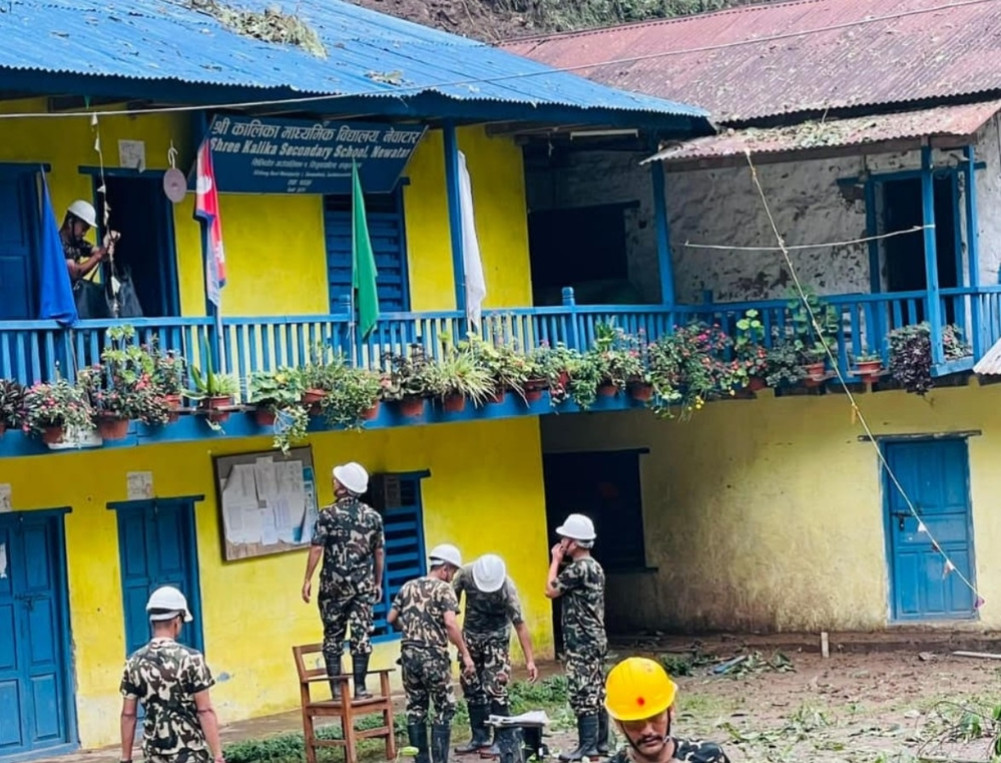
A significant landslide in Sankhuwasabha has resulted in the displacement of 28 families. The natural disaster has also placed a local health post in a precarious situation, raising concerns about its structural integrity and accessibility. In addition to the landslide, the region has experienced floods that have caused substantial damage to infrastructure. Specifically, two micro-hydropower plants have been affected by the flooding. This damage has led to a widespread power outage, leaving more than 600 households without electricity. The combined impact of the landslide and floods highlights the vulnerability of communities in Sankhuwasabha to natural calamities and the subsequent disruption of essential services.
This event underscores the critical need for robust disaster preparedness and infrastructure resilience in regions prone to landslides and flooding. The displacement of families and damage to essential services like health posts and power generation reveal systemic vulnerabilities. Future planning must integrate climate change projections and consider the cascading effects of natural disasters on community well-being and economic stability. Addressing these challenges requires coordinated efforts between local governance and national agencies to implement early warning systems and reinforce critical infrastructure against environmental threats, ensuring the long-term safety and continuity of services for affected populations.
AI-generated to prompt reflection — not editorial opinion, not advice, not a statement of fact. How this works.