Landslides: An Overlooked Disaster
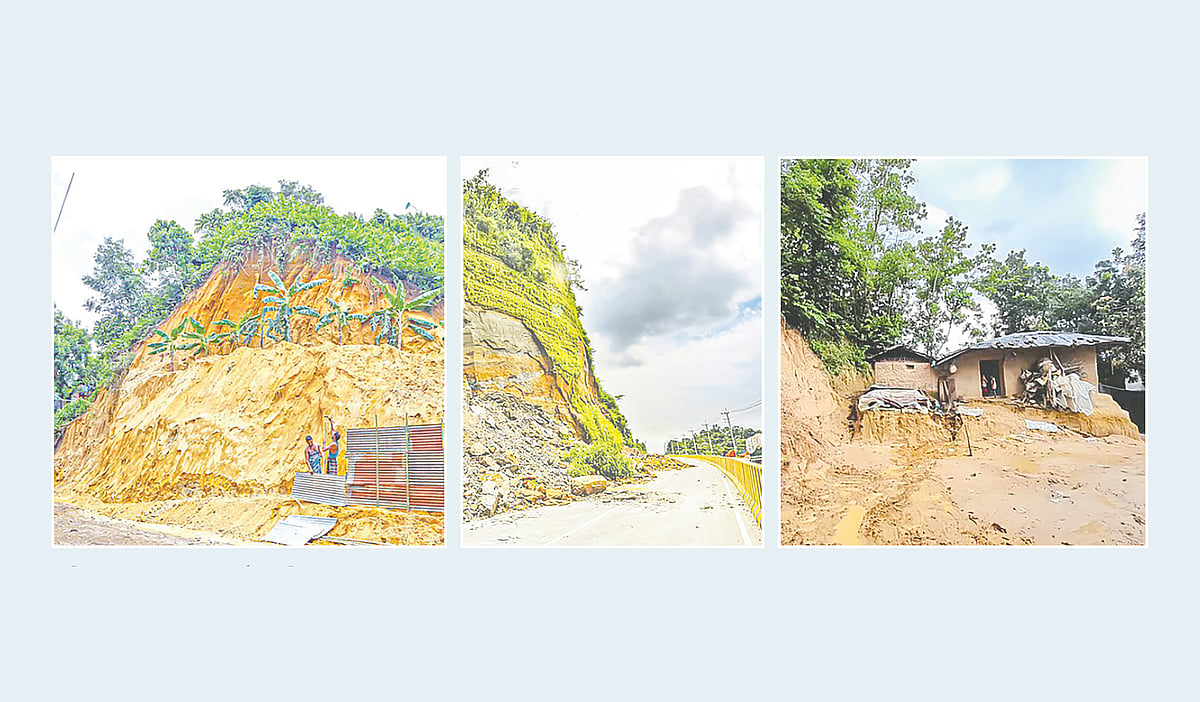
The question arises whether hilly slopes can be made safe through various engineering interventions. Landslides represent a disaster that is often overlooked. Addressing this issue requires careful consideration of potential engineering solutions for stabilizing slopes. The effectiveness and feasibility of such measures are crucial for mitigating risks associated with hilly terrains. Further investigation into preventative strategies and their implementation is necessary to enhance safety and reduce the impact of these natural events. The focus should be on developing robust engineering approaches that can withstand environmental pressures. Ultimately, the goal is to transform vulnerable areas into safer environments through informed planning and execution.
The potential for engineering solutions to mitigate landslide risks highlights a common challenge in disaster management: balancing proactive investment against perceived immediate threats. While technical fixes are possible, their widespread adoption often hinges on economic viability, political will, and public awareness, which can lag behind the scientific understanding of risks. In the context of climate change and increasing development in vulnerable areas, the long-term cost-benefit analysis of landslide prevention infrastructure becomes increasingly critical. This situation prompts a systems-level examination of how societies prioritize and fund disaster mitigation, particularly for events that, while potentially catastrophic, may not be as frequent or visible as others.
AI-generated to prompt reflection — not editorial opinion, not advice, not a statement of fact. How this works.