Landslides in Bangladesh: Human Neglect and Environmental Destruction Claim Lives
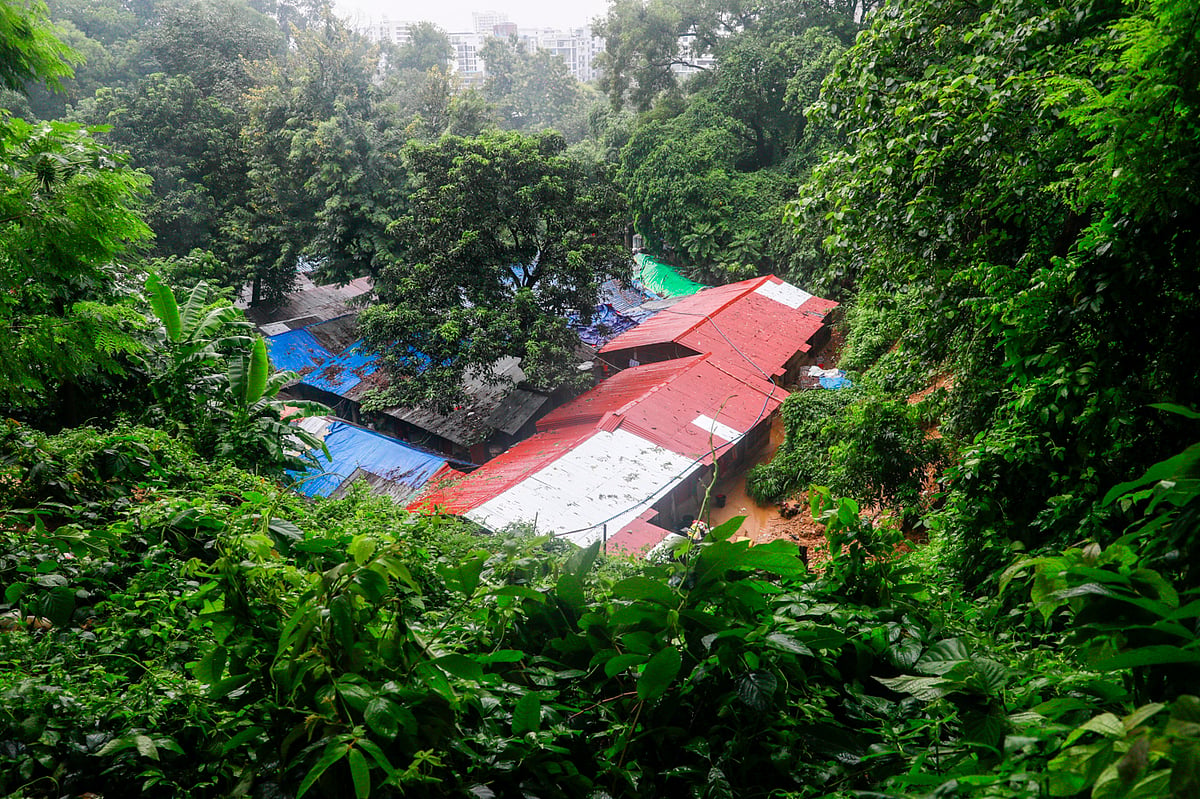
Recent heavy monsoon rains have triggered devastating landslides in the Bandarban, Cox's Bazar, and Chittagong regions of Bangladesh, resulting in at least 29 fatalities over the past four days. This recurring tragedy, characterized as "structural murder" by the author, is attributed to rampant hill cutting and disregard for environmental science, leading to the destruction of delicate ecosystems. The article highlights that the state and neoliberal systems bear responsibility for this crisis, which is exacerbated by the forceful relocation of impoverished lowland populations to hilly areas for demographic manipulation. Commercial plantations of non-native trees like teak and acacia have further destabilized the soil, ignoring the intrinsic spiritual, ecological, social, cultural, and productive relationships indigenous communities have with the mountains. These hills are increasingly viewed as mere "soil heaps" or sites for infrastructure commerce, driven by a potent capitalist ideology that leads to continuous destruction, loss of life, and erasure of memory.
The recurring landslides in Bangladesh underscore a critical disconnect between national development policies and the ecological realities of mountainous regions. The narrative suggests that prioritizing infrastructure and commercial interests over indigenous ecological knowledge and environmental preservation has created a systemic vulnerability. The state's failure to acknowledge the scientific basis of hill ecosystems and its role in facilitating destructive practices, such as extensive hill cutting for development projects and commercial plantations, directly contributes to these fatal events. This pattern indicates a governance deficit where short-term economic gains overshadow long-term environmental stability and human safety. A comprehensive "National Hill Management Policy" is proposed, emphasizing the integration of indigenous land management practices and a shift from a purely extractive view of hills to one that respects their ecological and cultural significance, thereby mitigating future disasters.
AI-generated to prompt reflection — not editorial opinion, not advice, not a statement of fact. How this works.