Landslides Kill at Least Eight in Rohingya Refugee Camps in Bangladesh
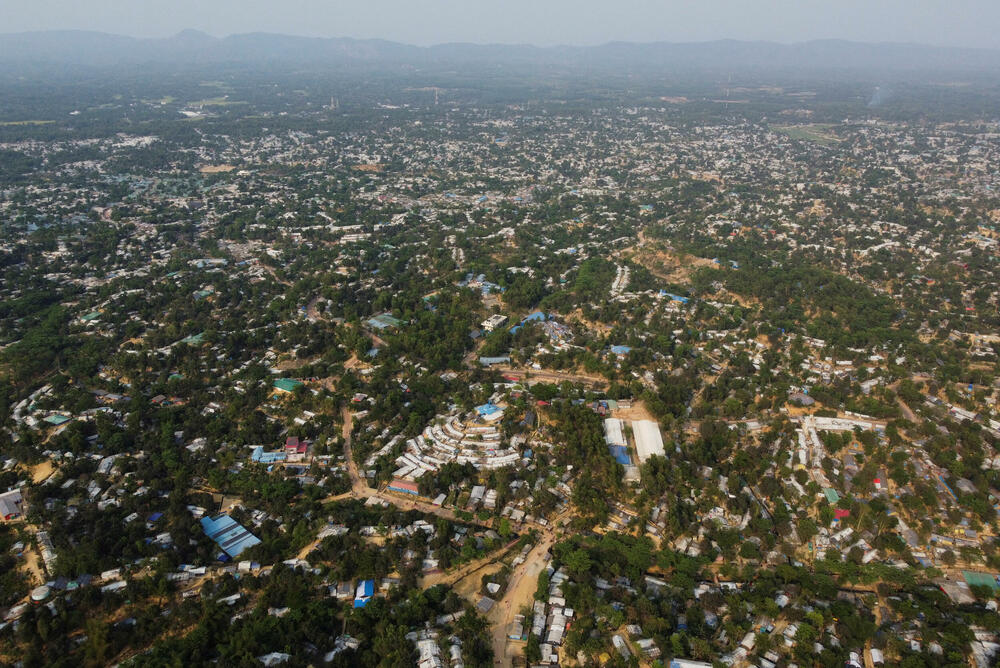
At least eight people have died in landslides that struck Rohingya refugee camps in Cox's Bazar, Bangladesh. The affected camps are part of the world's largest refugee settlement, housing over 1.2 million Rohingya individuals. These refugees fled military repression in their home country of Myanmar, a predominantly Buddhist nation, in 2017. Myanmar authorities accuse the Rohingya of being illegal immigrants. The dense population within the overcrowded camps makes them particularly vulnerable to natural disasters like landslides.
The recurring vulnerability of the Rohingya refugee camps in Cox's Bazar to natural disasters like landslides highlights systemic challenges in disaster preparedness and infrastructure within refugee settlements. The extreme population density, a consequence of the protracted displacement crisis originating from Myanmar in 2017, exacerbates these risks. Future planning must consider climate resilience and sustainable settlement designs to mitigate the impact of environmental hazards on vulnerable populations. Addressing the root causes of displacement and facilitating durable solutions for the Rohingya remain critical long-term objectives, but immediate humanitarian efforts must also focus on improving living conditions and safety within the camps.
AI-generated to prompt reflection — not editorial opinion, not advice, not a statement of fact. How this works.