LAPD Drops Flock License Plate Readers Over Data Privacy
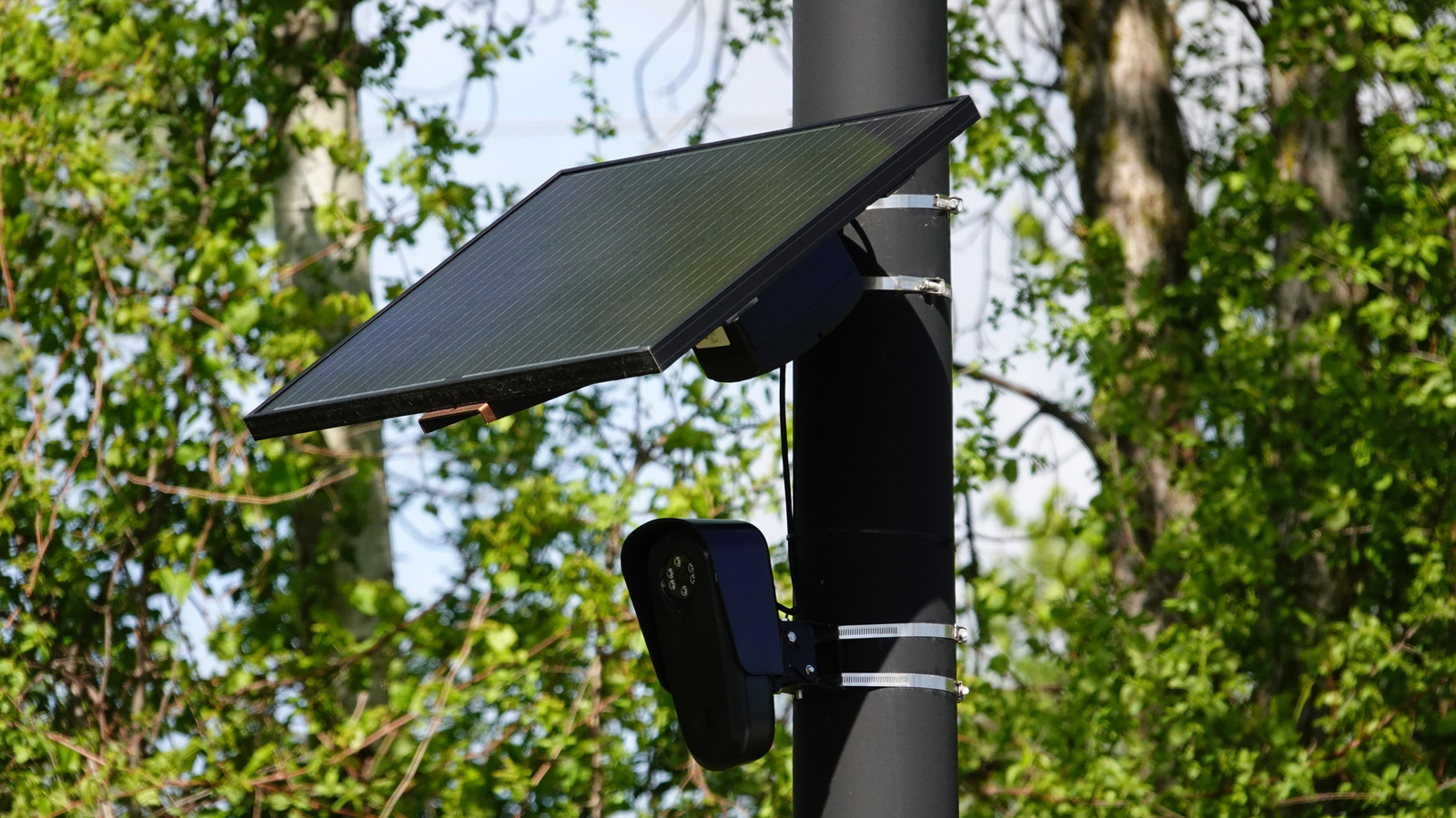
The Los Angeles Police Department (LAPD) has decided not to renew its contract for Flock Safety's automated license plate reader (ALPR) cameras. This decision stems from significant concerns regarding data privacy. The department will cease using the technology moving forward. Flock cameras are designed to capture images of license plates and vehicle data, which can then be used by law enforcement agencies for investigations. However, the use of such surveillance technology has increasingly come under scrutiny due to potential privacy implications for the public. The LAPD's move indicates a growing trend of law enforcement agencies re-evaluating their reliance on ALPR systems. This reassessment is driven by public pressure and evolving legal standards surrounding data collection and usage. The department's decision highlights the delicate balance between leveraging technology for public safety and upholding individual privacy rights. Further details on the specific privacy concerns were not immediately available, but the non-renewal signifies a clear stance against the current data handling practices associated with Flock cameras.
The Los Angeles Police Department's decision to discontinue its use of Flock ALPR cameras reflects a broader societal debate concerning the trade-offs between enhanced surveillance capabilities and individual privacy rights. As ALPR technology becomes more sophisticated and pervasive, concerns about data storage, access, and potential misuse are escalating. This move by LAPD suggests a growing awareness among public institutions of the need for robust data governance frameworks and transparent policies when deploying surveillance technologies. The future of such systems may depend on their ability to demonstrate strong privacy safeguards and accountability mechanisms that can withstand public and regulatory scrutiny. Agencies will likely need to prioritize technologies that offer greater control over data retention and access, or face continued resistance and potential legal challenges.
AI-generated to prompt reflection — not editorial opinion, not advice, not a statement of fact. How this works.