Laptop Battery Life: Intel, Qualcomm, Apple, and AMD Processors Compared
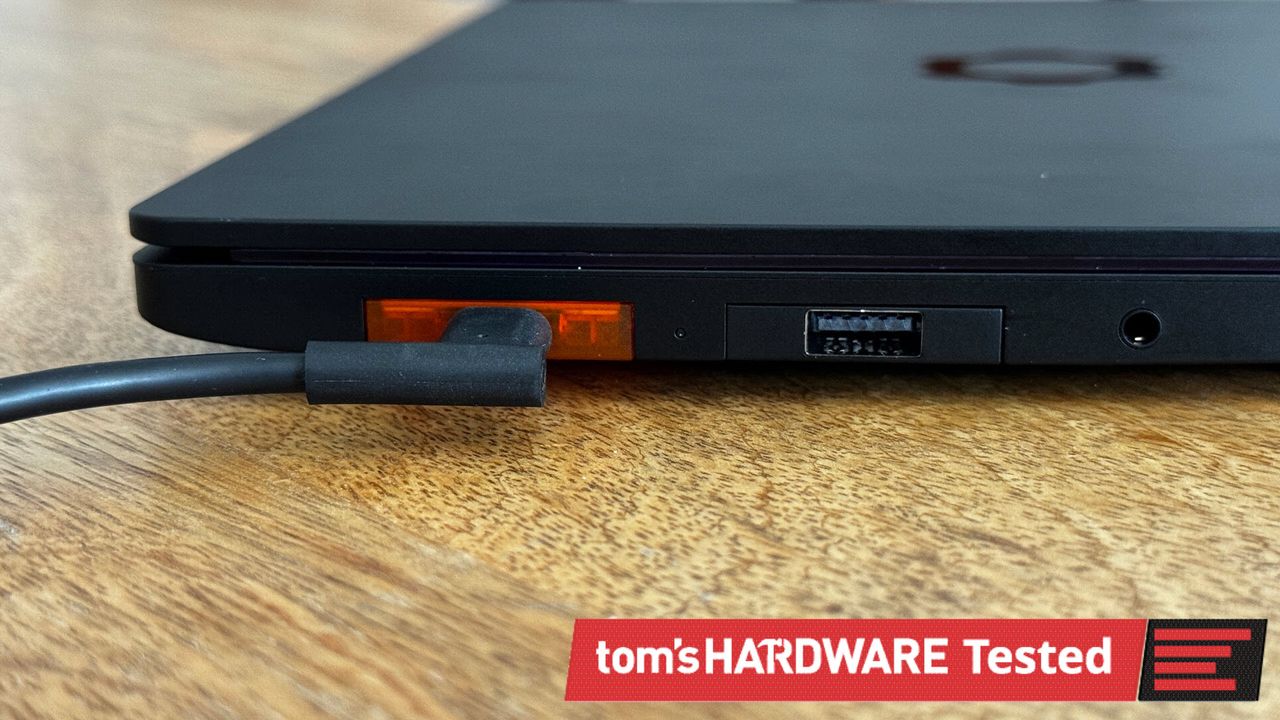
A recent comparison tested laptops equipped with processors from Intel, AMD, Qualcomm, and Apple to evaluate their performance differences when running on battery power versus AC power. The study aimed to identify how each processor architecture impacts battery longevity and overall efficiency. Researchers focused on real-world usage scenarios to provide users with practical insights into which processors offer the best balance of performance and battery life. The findings are intended to help consumers make more informed decisions when purchasing new laptops, particularly those who prioritize extended use away from a power outlet. This comparison highlights the ongoing competition among major chip manufacturers to deliver superior power management capabilities in portable computing devices. The results will shed light on the trade-offs between raw processing power and energy consumption for each of these leading brands. Ultimately, the goal is to understand the practical implications of these different processor technologies for everyday laptop users.
This comparative testing highlights the evolving landscape of laptop processor technology, where power efficiency is becoming as critical as raw performance. The competition between Intel, AMD, Qualcomm, and Apple reflects a broader industry trend driven by user demand for longer battery life and the increasing prevalence of mobile computing. As the tech sector navigates the AI era, processor architectures that optimize energy consumption without sacrificing user experience will gain a significant market advantage. Understanding these differences is crucial for consumers and manufacturers alike, as it influences device design, user expectations, and the overall sustainability of personal technology.
AI-generated to prompt reflection — not editorial opinion, not advice, not a statement of fact. How this works.