Lar São Vicente de Paulo Celebrates 130 Years of Elder Care in Sorocaba
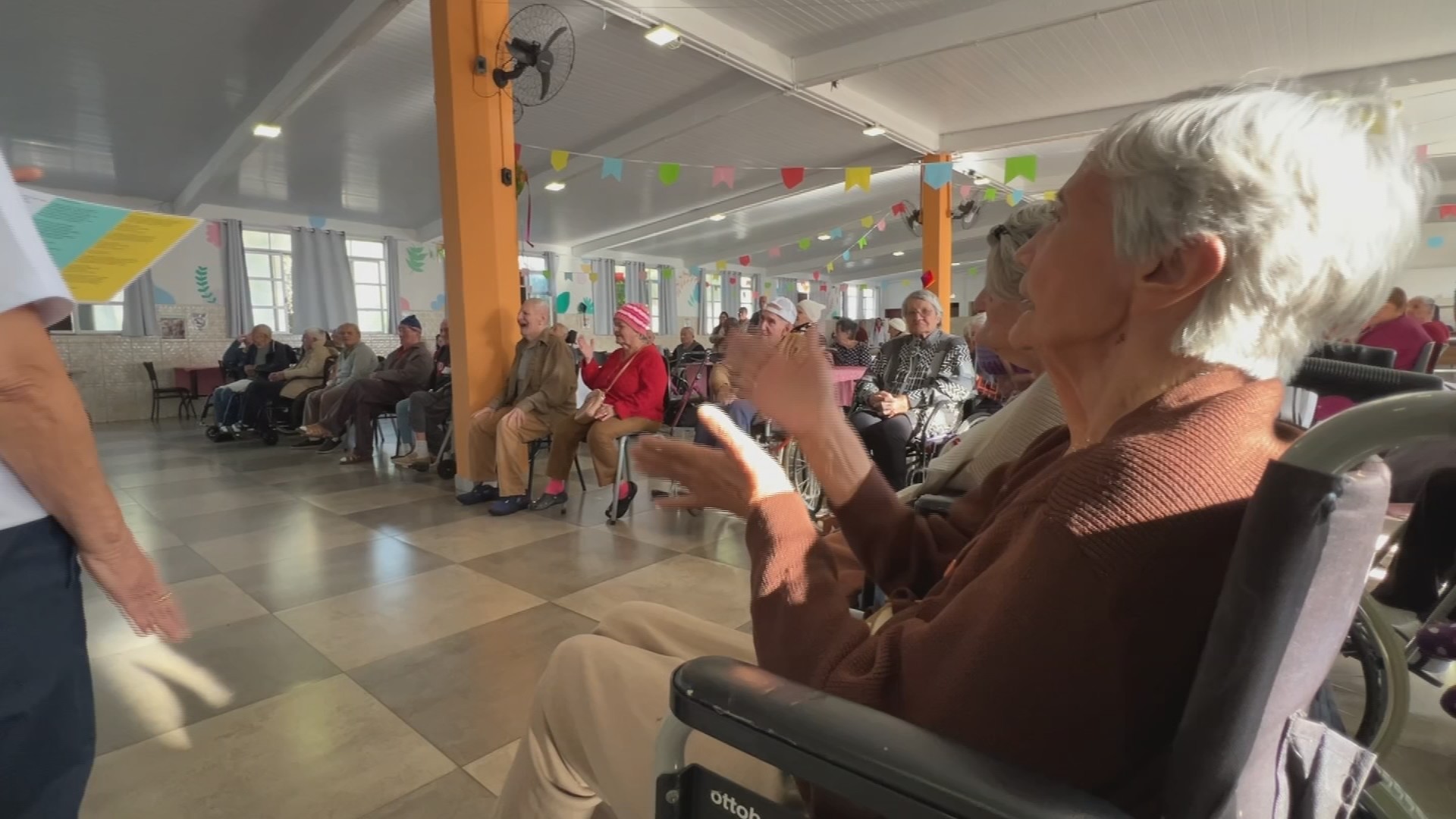
The Lar São Vicente de Paulo in Sorocaba, São Paulo, has marked its 130th anniversary, standing as a long-standing institution dedicated to the care of the elderly. Founded on June 14, 1896, the facility currently provides comprehensive residential care for 88 seniors. The anniversary highlights a significant historical archive maintained at the location, featuring artifacts from the Imperial Palace and personal accounts from residents. The institution originated from an initiative by members of the Society of Saint Vincent de Paul in the late 19th century to support elderly individuals facing extreme social vulnerability. It has persevered through economic downturns and urban changes, continuing to offer free services through community support and volunteers. Staff members, including caregivers, nursing technicians, and therapists, emphasize the emotional depth of their work, describing their roles as akin to therapists and parental figures. Residents like Matilde Assaf, 76, express satisfaction with the daily routine, which includes activities such as bingo, celebrations, and social interaction. Dalva Trindade Gomes, 85, who has lived at the home for three years, appreciates the structured routine, exercises, and friendships formed there. The Lar's physical history mirrors Sorocaba's growth, with its first location in the city center moving to the current, larger site to enhance residents' well-being and connection with nature. The present facility spans 59,000 square meters of green space, offering a more conducive environment for residents compared to the previous confined setting. A museum within the grounds, curated by former president Vitor Negrini, 94, preserves the institution's history through documents, photographs, and artifacts, including a portrait of Dona Balbina, a former cook for Emperor Dom Pedro II, and a clock from the Imperial Palace.
This milestone highlights the enduring role of community-based social welfare institutions in providing essential care for vulnerable populations. The institution's longevity, spanning 130 years and surviving various societal shifts, underscores the consistent need for elder care services and the effectiveness of a model reliant on community support and volunteerism. The preservation of historical artifacts, such as items from the Imperial Palace, not only enriches the institution's heritage but also connects its present mission to Brazil's broader historical narrative. As societies grapple with aging demographics and evolving care models, institutions like Lar São Vicente de Paulo offer valuable insights into sustainable, compassionate elder care, emphasizing quality of life through environmental enrichment and social engagement. The challenge for such organizations moving forward will be to adapt to increasing care demands and resource fluctuations while maintaining their core values and operational integrity in an era of rapid technological and social change.
AI-generated to prompt reflection — not editorial opinion, not advice, not a statement of fact. How this works.