Large balloon crashes into wooded area in Búzios
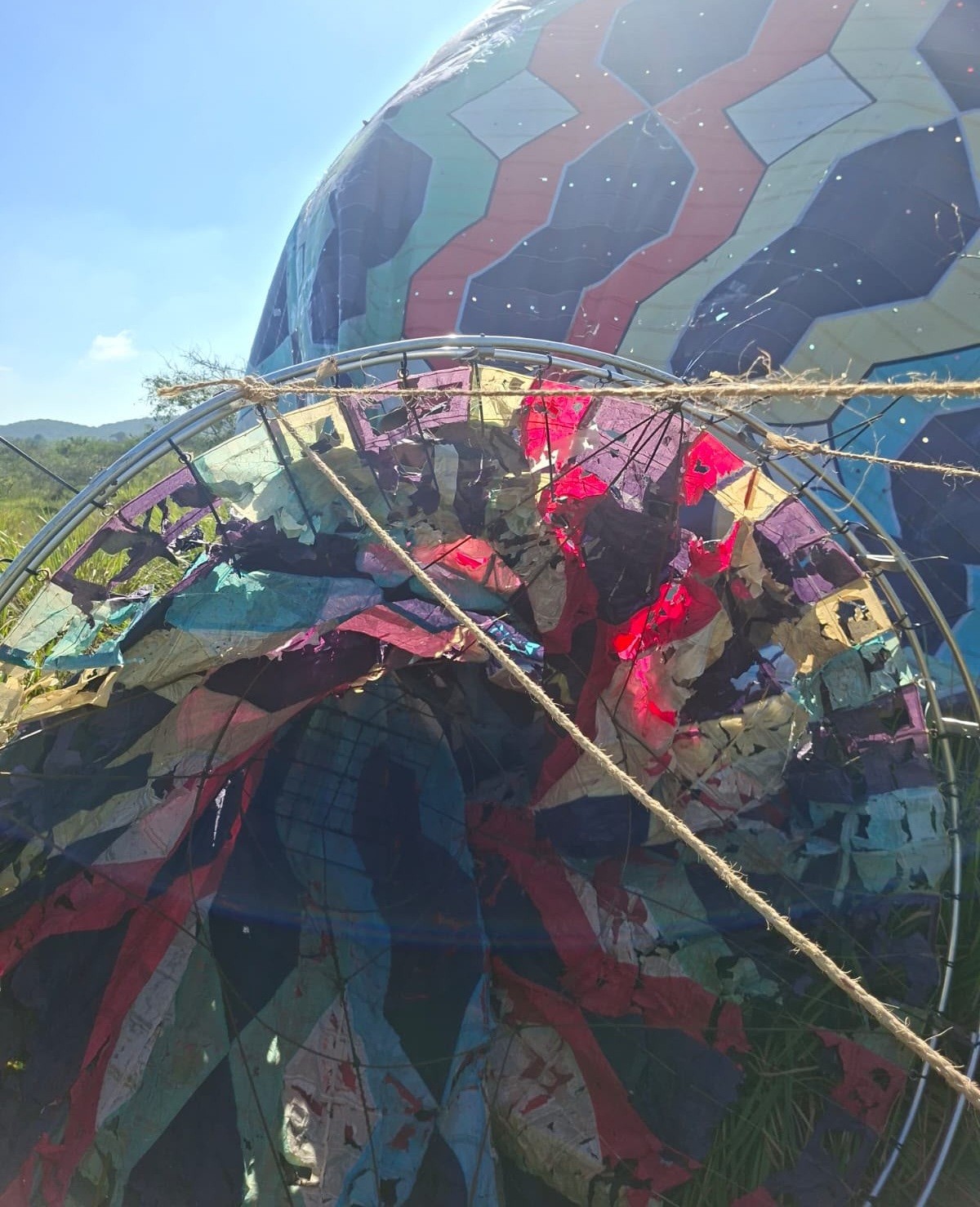
A large balloon fell into a wooded area near the Baía Formosa neighborhood in Armação dos Búzios, located in the Lagos Region of Rio de Janeiro, on Saturday, November 11th. The incident drew attention from residents due to the structure's size and the inherent risks associated with such objects. The Búzios City Hall reported that the Civil Defense was alerted and dispatched a team to the site. However, upon their arrival, the balloon had already been removed from the area. Municipal administration sources indicated that individuals who were observing the balloon's descent entered the woods, retrieved the structure, and departed before the Civil Defense team reached the location. Fortunately, no injuries or property damage were reported, as the balloon landed in a remote wooded area, far from homes and residents. This was not the only balloon incident in the region on the same day; another large balloon also fell into the Araruama Lagoon in Araruama. The release of balloons is prohibited in Brazil and constitutes an environmental crime under Law No. 9.605/1998, which penalizes the manufacture, sale, transport, or release of balloons capable of causing fires. Authorities advise the public not to attempt to remove fallen balloons themselves and to contact the responsible agencies for safe removal.
The recurrence of large balloon incidents in the Búzios and Araruama regions highlights a persistent challenge in enforcing environmental regulations against dangerous recreational activities. While the law clearly prohibits the release of balloons due to fire risks, the swift removal of the downed balloon by unknown individuals before official intervention suggests a potential gap in public awareness or enforcement capacity. This situation underscores the need for enhanced public education campaigns on the environmental and safety hazards of balloon releases, coupled with more robust monitoring and enforcement strategies. Future efforts could explore technological solutions for detection or community-based initiatives to deter such practices, aiming to mitigate risks and uphold environmental protection laws in the face of cultural traditions or recreational desires.
AI-generated to prompt reflection — not editorial opinion, not advice, not a statement of fact. How this works.