Large fire at wood debris depot in Presidente Prudente prompts emergency response
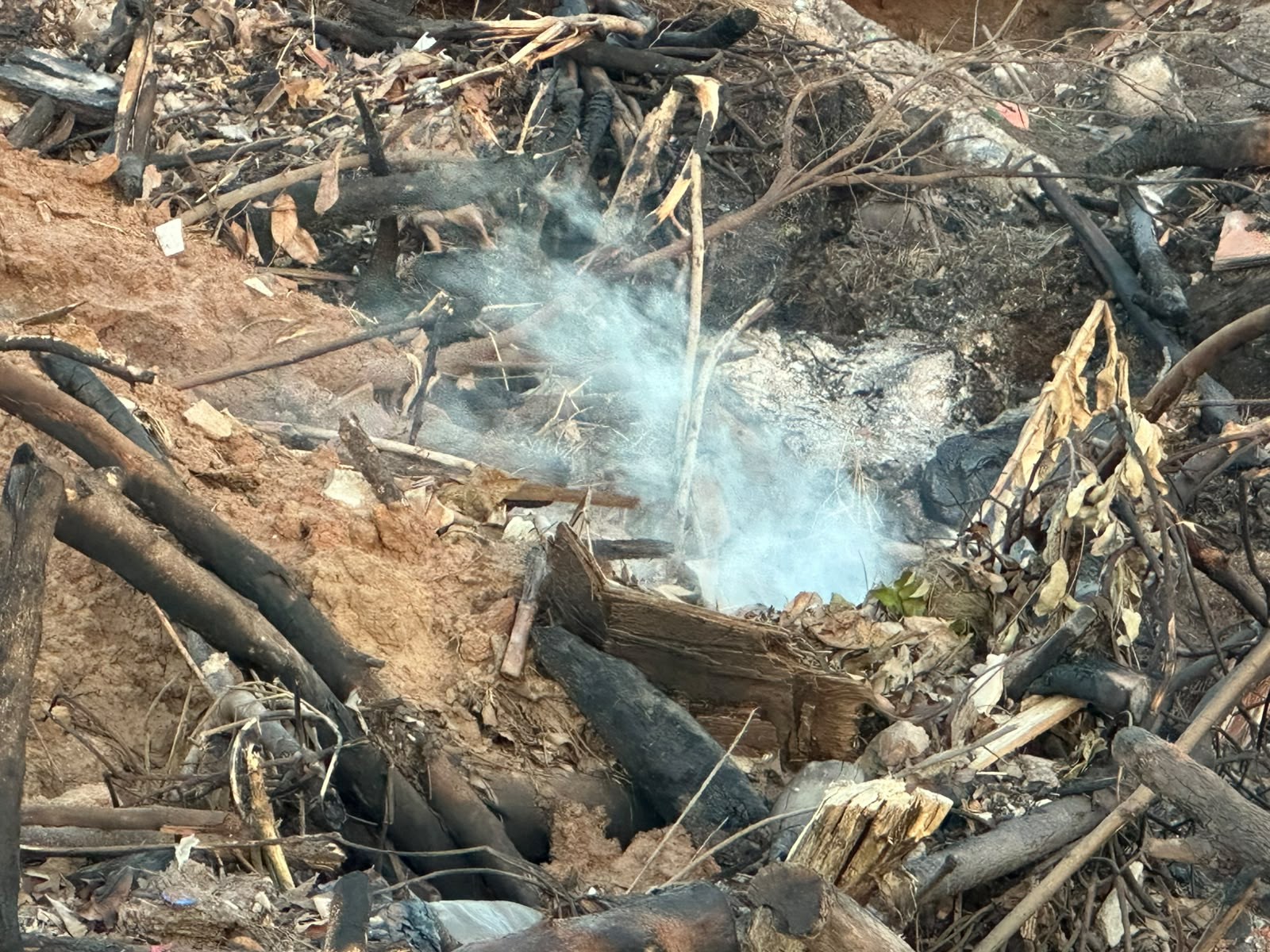
A significant fire broke out at the Municipal Wood Debris Depot in Presidente Prudente, São Paulo, on Thursday morning, May 16th. The incident required the mobilization of both the Fire Department and Civil Defense teams. Thick smoke spread across several neighborhoods in the region, but fortunately, no injuries were reported. The cause of the blaze remains under investigation. This event occurs amid a period of dry air, low humidity, and a lack of rainfall, which significantly elevates the risk of fires, posing concerns for the environment, agriculture, and public health. Consequently, starting Friday, May 17th, the city will be under an alert status, as declared by the State Civil Defense. The Civil Defense estimates that 90% of recorded fires are caused by human actions, either through negligence or intent. Common contributing factors during dry spells include burning trash or vegetation, discarding cigarette butts near roads, making fires close to plant life, and releasing balloons. The burning of trash is also prohibited and can be considered an environmental crime, particularly if it leads to pollution that endangers public health or damages the environment.
This large-scale fire at a municipal debris depot highlights the heightened risk of conflagrations during periods of environmental stress, such as prolonged dry spells. The event underscores the critical role of emergency services like the Fire Department and Civil Defense in managing such incidents. The Civil Defense's warning about human-induced fires, accounting for 90% of occurrences, points to a systemic challenge in public awareness and regulatory enforcement regarding fire prevention. The confluence of natural conditions and human behavior creates a volatile situation, demanding proactive strategies that go beyond reactive firefighting. Future considerations should include enhanced public education campaigns, stricter enforcement of anti-burning regulations, and potentially improved infrastructure for waste management and fire containment, especially in areas prone to vegetation fires.
AI-generated to prompt reflection — not editorial opinion, not advice, not a statement of fact. How this works.