Large Green Sea Turtle Surprises Beachgoers in Natural Pool in Goiana, Brazil
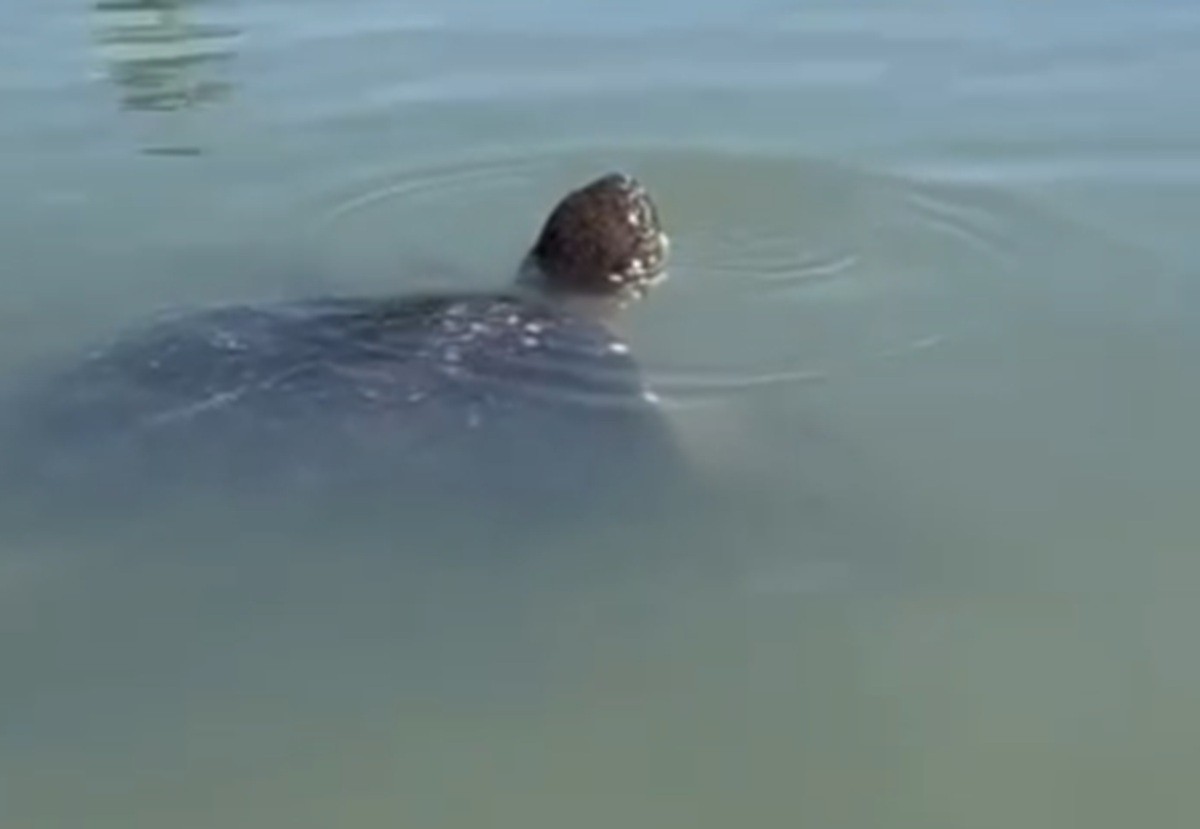
A large green sea turtle, identified as Chelonia mydas, unexpectedly appeared in a natural pool at Ponta de Pedras beach in Goiana, Pernambuco, Brazil, surprising local beachgoers on Tuesday, October 14th. The turtle, which can reach up to 1.5 meters in length and weigh 200 kg as an adult, is the second-largest species in Brazil and typically stays further from the coast. Images captured by Magnólia Santos show the animal initially still, floating on the surface, leading some to mistake it for a rock. The turtle later lifted its head, eliciting excited reactions from children present. Santos observed the turtle again the following day, noting its continued presence and expressing concern about its health, although no external injuries were apparent. A researcher from the Federal Rural University of Pernambuco (UFRPE) and president of the Itamaracá Preservada Institute, Ruan Fernandes, suggested the turtle's unusual proximity to the shore and stillness might indicate stress or a health issue, possibly due to being trapped in the natural pool during low tide. The area is known for seagrass, which serves as food for green sea turtles. Fernandes advised that if such an animal is found in distress, it is crucial to contact environmental authorities. He also provided guidelines for assisting stranded turtles, emphasizing shade, keeping the animal moist, minimizing human contact, and contacting relevant agencies like the Municipal Secretariat of Environment or environmental police.
The presence of a large green sea turtle in a shallow natural pool, far closer to shore than typical, highlights the potential impact of tidal fluctuations and habitat conditions on marine wildlife. While the immediate reaction was surprise and excitement, the turtle's unusual stillness and proximity to humans warrant consideration of potential environmental stressors or health concerns, as suggested by experts. This event underscores the importance of monitoring coastal ecosystems and understanding how changes in water levels or food availability might affect species that normally inhabit deeper waters. Future management strategies could involve enhanced monitoring of coastal areas known for seagrass beds and prompt response protocols for distressed marine animals to ensure their well-being and minimize human interference.
AI-generated to prompt reflection — not editorial opinion, not advice, not a statement of fact. How this works.