Large schools of tilapia and catfish appear in Campos canal, raising health concerns
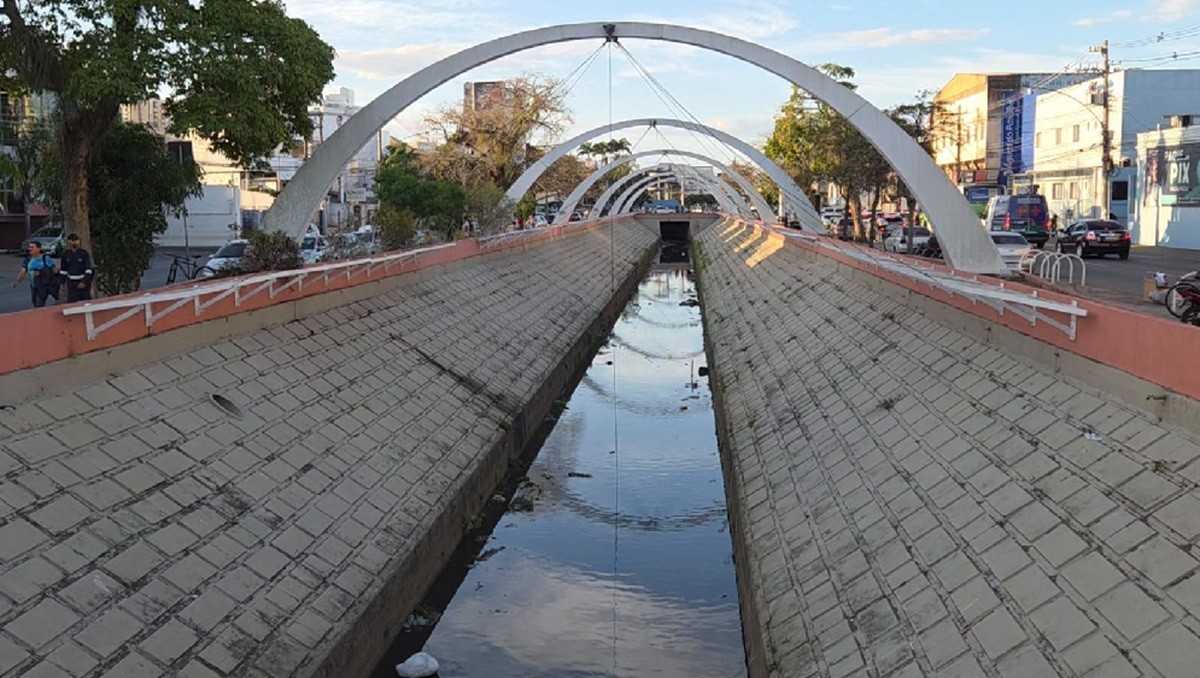
Hundreds of tilapia and African catfish have recently appeared in the Campos-Macaé Canal, specifically in the Beira-Valão section in Campos dos Goytacazes, Northern Fluminense. This unusual concentration of fish has attracted local residents, some of whom are interested in catching them for consumption. However, experts strongly advise against consuming these fish due to significant health risks. The phenomenon has prompted questions among residents about the reasons behind the fish aggregation in this particular canal stretch. Professor Manuel Vazquez Vidal Júnior from the State University of Northern Fluminense (Uenf) explained that tilapia's adaptability, including their parental care and resilience, contributes to their survival and reproduction even in suboptimal environments, further aided by people feeding them. The African catfish also exhibits high adaptability, possessing an auxiliary respiratory organ that allows it to breathe atmospheric oxygen, enabling survival in degraded conditions. Despite the ease of capture and abundance, specialists urge caution. Vidal Júnior highlighted that the Campos-Macaé Canal receives urban drainage water and may be affected by illegal sewage connections. During rainy periods, street debris and pollutants are washed into the canal, introducing heavy metals, tire particles, and other residues. These contaminants are absorbed by the fish, making them unsafe for consumption. Fish from contaminated environments can accumulate pathogenic microorganisms and harmful substances, posing risks to human health. The Campos-Macaé Canal, a historic 109-kilometer waterway built during the imperial period connecting Campos dos Goytacazes and Macaé, has historically faced sanitation and environmental challenges. The recent appearance of the large fish schools has renewed public attention to these issues, with experts reiterating that the fish's presence does not indicate their suitability for food.
The congregation of fish in the Campos-Macaé Canal, while visually striking, underscores critical environmental and public health issues. The species' inherent adaptability, a trait often lauded in aquaculture, becomes a liability when faced with degraded urban waterways. This situation highlights a systemic challenge where ecological resilience in fish species can inadvertently mask or even exacerbate the impact of pollution. The canal, serving as a conduit for urban runoff and potential sewage, acts as a sink for contaminants, including heavy metals and microplastics. The fish, by inhabiting this environment, become vectors for these pollutants, posing a direct risk to human health if consumed. This event serves as a stark reminder of the interconnectedness of urban development, waste management, and aquatic ecosystems. Future management strategies must prioritize source control of pollution and the restoration of urban waterways to prevent such public health advisories and ensure the long-term ecological integrity of these vital water bodies.
AI-generated to prompt reflection — not editorial opinion, not advice, not a statement of fact. How this works.