Largest Roman Pottery Production Site Discovered in Austria
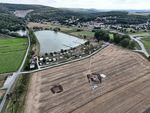
Archaeologists have uncovered a significant Roman pottery production site in Burgenland, Austria, beneath a field. The discovery includes over 120 Roman kilns, indicating a large-scale ceramic workshop that operated during the Roman era. This find represents the largest such production facility discovered in Austria to date. The extensive remains suggest a substantial industrial operation dedicated to pottery manufacturing. Further excavation and analysis are expected to reveal more about the scope and output of this ancient Roman enterprise. The site's location in Burgenland points to the region's historical importance in Roman trade and production networks. The sheer number of kilns implies a high volume of ceramic goods were produced here, likely serving local and potentially wider markets. This discovery offers valuable insights into Roman industrial practices and the economic activities of the period in this part of the empire.
The discovery of this extensive Roman pottery production site in Burgenland highlights the sophisticated industrial organization present in Roman provinces. The scale of the operation, evidenced by over 120 kilns, suggests a well-developed supply chain and market demand for ceramic goods. This finding prompts reflection on how such ancient production centers were managed and regulated, and how their output influenced regional economies. Examining the efficiency and resource utilization of these historical workshops can offer lessons for modern industrial practices, particularly concerning sustainability and waste management. Understanding the economic incentives that drove such large-scale production can also shed light on the dynamics of trade and specialization in antiquity, and how these factors shaped settlement patterns and societal development.
AI-generated to prompt reflection — not editorial opinion, not advice, not a statement of fact. How this works.