Largest Scorpion Ever Discovered Lived 415 Million Years Ago, Rabbit-Sized
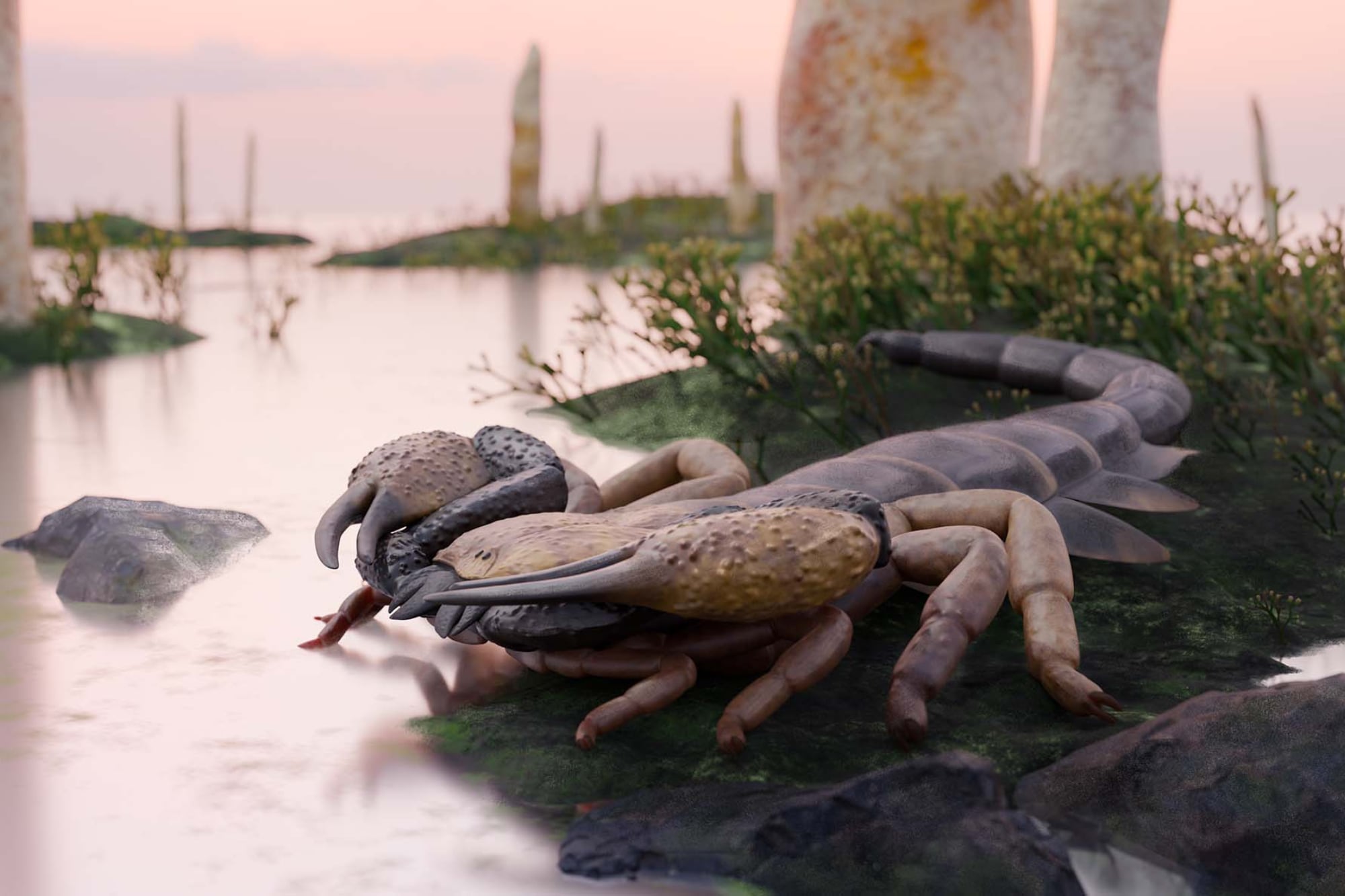
Scientists have identified Praearcturus gigas, the largest scorpion known to have ever lived, dating back approximately 415 million years. This ancient arachnid was roughly the size of a rabbit, a significant finding that sheds new light on the early evolution of terrestrial life. The discovery of P. gigas comes after 150 years of paleontological research and analysis. Its immense size challenges previous assumptions about the limitations of arthropod evolution during the Silurian period. The existence of such a large scorpion suggests that early terrestrial ecosystems were capable of supporting larger invertebrate predators than previously thought. This finding provides crucial insights into the development of complex food webs on land shortly after life began to colonize Earth's surface. Further study of P. gigas could reveal more about the physiological and environmental factors that allowed for gigantism in early land animals. The fossil evidence offers a unique window into a pivotal moment in evolutionary history, marking a significant step in the transition of life from sea to land.
The discovery of Praearcturus gigas, a rabbit-sized scorpion from 415 million years ago, highlights the potential for evolutionary gigantism in early terrestrial environments. This finding prompts consideration of the ecological pressures and atmospheric conditions of the Silurian period that may have facilitated the development of large invertebrate predators. Understanding these historical dynamics can inform our models of ecosystem resilience and the long-term trajectory of biodiversity. It also underscores the ongoing process of scientific discovery, where new fossil evidence can dramatically reshape our understanding of evolutionary history and the capabilities of life on Earth.
AI-generated to prompt reflection — not editorial opinion, not advice, not a statement of fact. How this works.