Larkana ART Centre Reports 73 New Pediatric HIV Cases in June
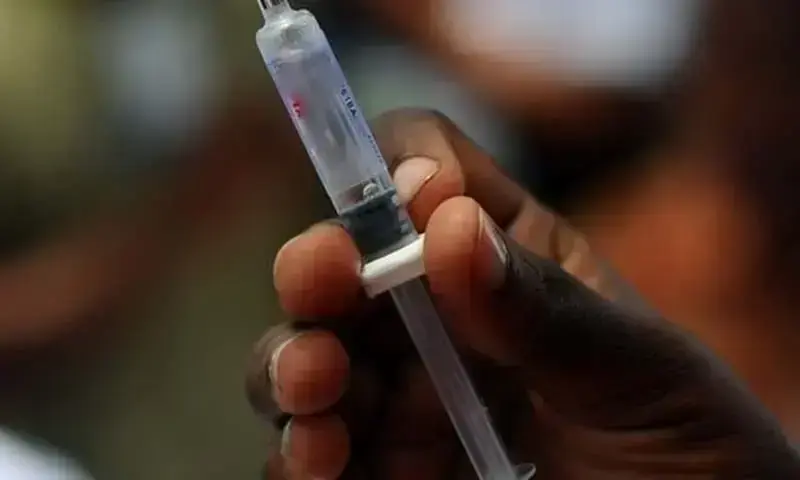
The Antiretroviral Treatment (ART) Centre at Chandka Medical College (CMC) Children’s Hospital in Larkana has registered 73 new HIV-positive cases among children during June, with a significant number of these patients originating from the Khairpur district. This surge in cases is placing a growing burden on the facility, which is already facing challenges including a shortage of healthcare staff and a state of disrepair. The center is operating without a pharmacist and requires additional junior doctors to manage the increasing caseload. Routine HIV screening was introduced in the hospital's outpatient department on January 7, and data is being maintained in coordination with other ART centers to ensure confirmatory testing and access to necessary medicines. The HIV-positive children referred to the hospital range in age from five months to 14 years, though most patients at the ART Centre are between five months and eight years old. While mother-to-child transmission is reportedly negligible due to early diagnosis and treatment, contributing factors to new infections include unsafe blood transfusions, weak surveillance, medical malpractice, and the repeated use of syringes. Health experts describe the situation as alarming, viewing the number of diagnosed children as "the tip of the iceberg" and emphasizing the need for stronger preventive measures and public awareness. Despite the recent establishment of an ART Centre in Gambat on May 26, children from Khairpur are still being sent to Larkana, as the Gambat facility awaits the completion of specialized training for its assigned doctor. Unqualified practitioners in rural areas of Khairpur are also cited as a major cause for the rise in reported cases, alongside increased screening efforts. Social stigma remains a barrier, discouraging families from disclosing infections. Other districts like Qambar also face delays in operationalizing their ART centers, further increasing the workload in Larkana. The human cost is evident in cases like Rahib Ali Junejo's son, who received free diagnosis and medication at the Larkana center, as many families cannot afford private treatment or travel expenses. Health experts stress the importance of expanding screening, ensuring safe blood transfusions, eliminating unsafe injection practices, and strengthening ART facilities across Sindh, along with stricter oversight of pathology laboratories and blood transfusion authorities.
The reported increase in pediatric HIV cases in Larkana, particularly from the Khairpur district, highlights systemic vulnerabilities in public health infrastructure and medical practice oversight. The challenges of staff shortages, dilapidated facilities, and delayed operationalization of ART centers in neighboring areas suggest a fragmented approach to disease control. While advancements in preventing mother-to-child transmission are noted, the persistence of infections linked to unsafe medical practices, blood transfusions, and the reuse of syringes points to ongoing gaps in regulatory enforcement and public health education. The situation underscores the critical need for robust surveillance systems, standardized medical protocols, and accessible, well-resourced healthcare facilities to curb transmission and mitigate the impact of infectious diseases. Future strategies must address both the immediate healthcare needs and the underlying factors contributing to these outbreaks, including the regulation of medical practitioners and the promotion of safe health practices across all communities.
AI-generated to prompt reflection — not editorial opinion, not advice, not a statement of fact. How this works.