Latam GPT CEO Explains AI Model Biases Regarding Latin America
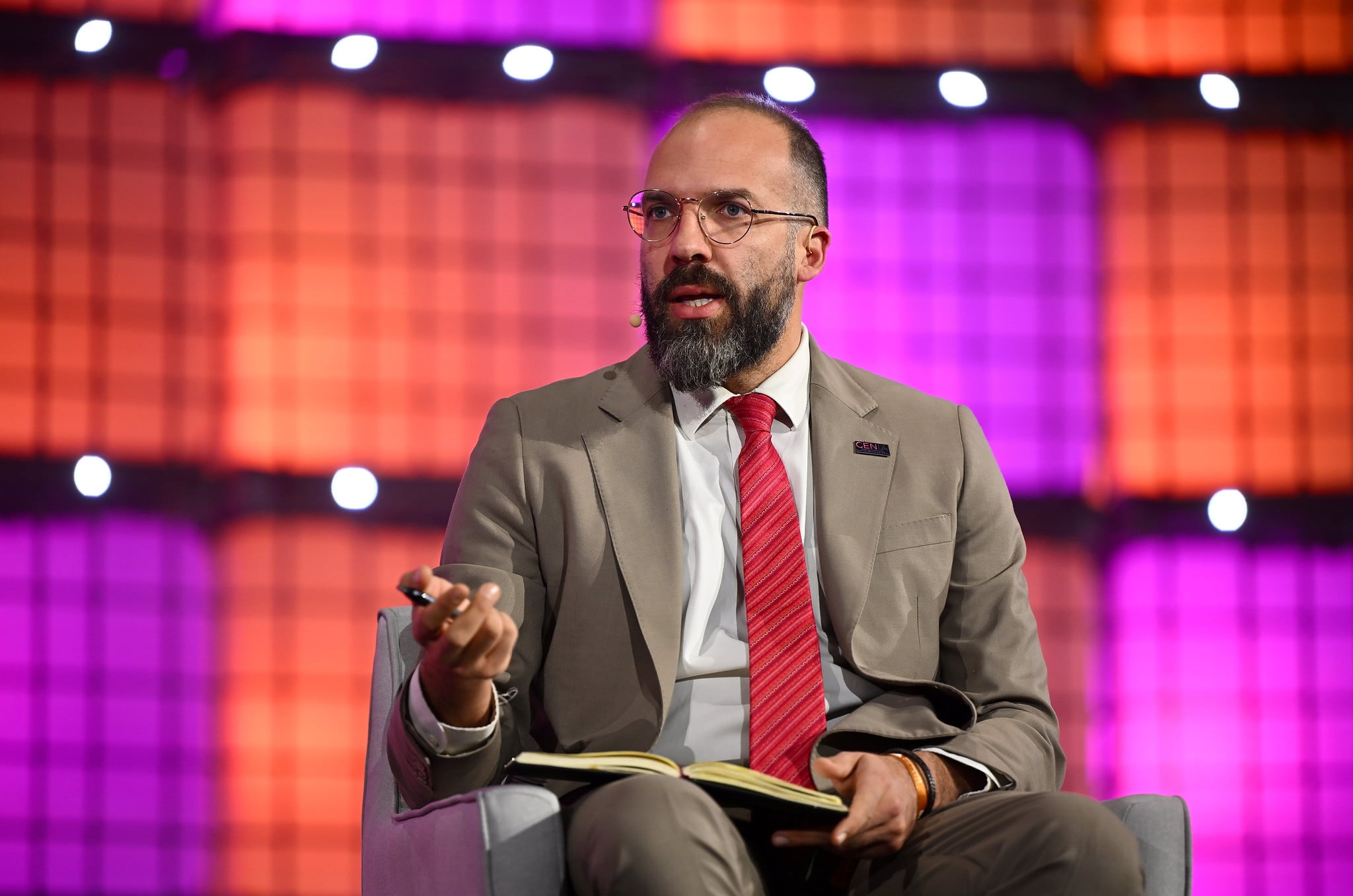
Rodrigo Durán, CEO of Cenia Chile, has explained why artificial intelligence models tend to make more errors when discussing Latin America. He clarified that his initiative, Latam GPT, is not aiming to compete directly with other existing AI projects. Instead, Durán focused on analyzing the inherent biases present in current AI tools. He also assessed which countries within the region are best positioned to adopt these emerging technologies. Durán's insights highlight the challenges of ensuring AI models are accurate and equitable when dealing with diverse global regions like Latin America. The discussion also touched upon the preparedness of various nations to integrate AI advancements into their infrastructure and economies. This perspective is crucial for understanding the development and deployment of AI in a non-Western context.
AI models often reflect the data they are trained on, which can lead to biases and inaccuracies when addressing regions underrepresented in global datasets. This situation presents a significant challenge for equitable AI development, particularly in diverse areas like Latin America. As AI adoption accelerates, addressing these representational gaps is crucial for ensuring fair access to and accurate information from these powerful tools. Future AI development must prioritize inclusive data sourcing and algorithmic fairness to mitigate existing disparities and foster trust across different global communities.
AI-generated to prompt reflection — not editorial opinion, not advice, not a statement of fact. How this works.