Late-Night World Cup Viewing May Lead to Weight Gain, Study Suggests
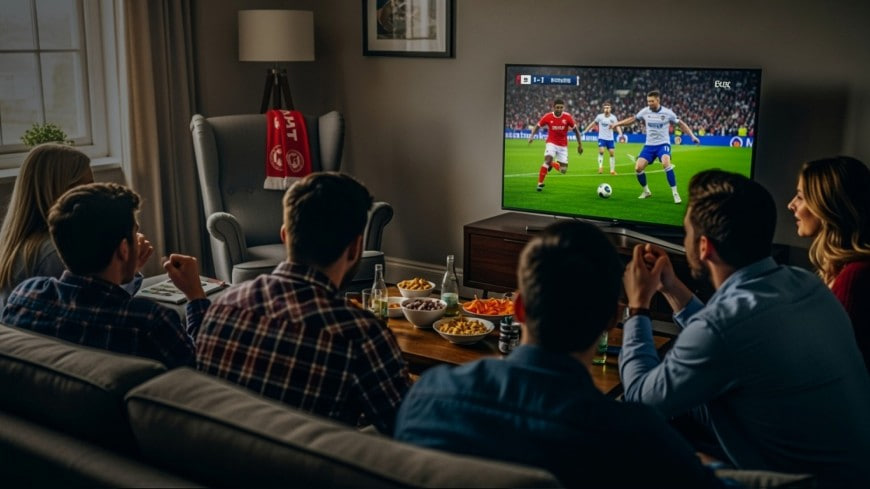
The FIFA World Cup, which typically lasts about six weeks, often features matches that begin late at night, according to Tashkent time. This schedule forces many fans to sacrifice sleep to watch the games live. Researchers suggest that this disruption to sleep patterns can pose health risks for certain individuals. The altered sleep schedule, combined with potential changes in eating habits during late-night viewing, may contribute to adverse health outcomes. The study highlights the interconnectedness of lifestyle choices, sleep, and overall well-being, particularly during major sporting events that extend over several weeks.
The convergence of major sporting events with irregular sleep schedules presents a recurring public health challenge. This situation highlights how cultural engagement with global events can inadvertently create systemic pressures on individual health routines. The economic incentives for broadcasting these events globally, often prioritizing prime-time viewing in dominant markets, can lead to suboptimal timing for other populations. Future event planning and broadcasting strategies could explore more equitable scheduling models or public health advisories to mitigate potential negative impacts on sleep and metabolic health, particularly as societies increasingly rely on digital platforms for entertainment and information.
AI-generated to prompt reflection — not editorial opinion, not advice, not a statement of fact. How this works.