Latin America favors Spain over Argentina in World Cup final amid controversy
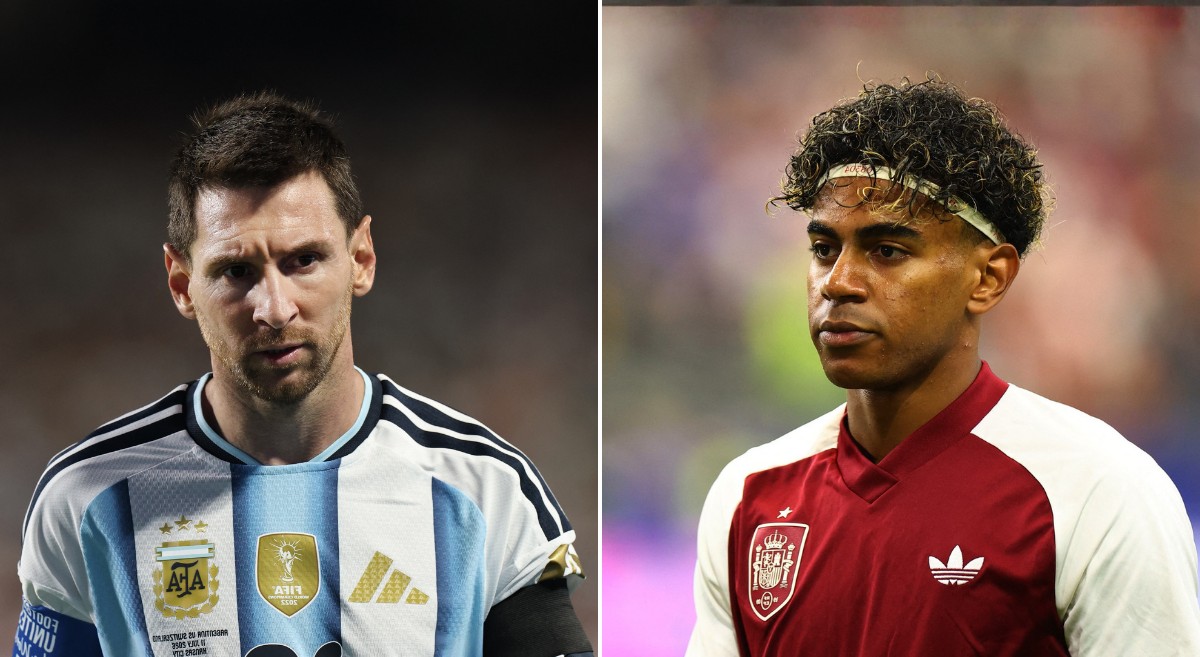
As the 2026 FIFA World Cup final between Spain and Argentina approaches, a significant wave of opposition to the Argentine team has emerged across Latin America. Memes and criticisms targeting Argentina have proliferated on social media, fueled by historical rivalries and current controversies. Many fans in countries like Mexico, Colombia, Ecuador, and Chile are reportedly rooting for Spain to win. This sentiment marks a departure from traditional regional solidarity, where Latin American teams usually receive widespread support from neighboring nations. Sociologists suggest this shift is amplified by digital media, with narratives suggesting FIFA and its president, Gianni Infantino, are favoring Argentina. Specific criticisms include accusations of biased refereeing, with some believing Argentina has received favorable calls, even on plays deemed correct by experts. Additionally, incidents involving alleged racism by Argentine fans and offensive chants directed at French players after the 2022 final have damaged the team's image. Despite these criticisms, Lionel Messi has defended his team, stating they have not been given anything easily. Coach Lionel Scaloni acknowledges the external pressure, viewing it as a motivating factor for the squad. A humorous marketing campaign in Argentina even played on stereotypes of Argentine arrogance, under the slogan 'We are unbearable.' However, the popularity of Messi and the Argentine team remains high, with large crowds often gathering to see them play in qualifying matches, and some fans in Latin America still support Argentina simply because it is a South American nation.
The widespread sentiment against Argentina in the current World Cup final, particularly within Latin America, highlights the complex interplay of nationalistic pride, historical rivalries, and the amplified narratives of the digital age. While traditional regional solidarity might suggest support for a fellow South American contender, the current opposition suggests that perceptions of unfair advantage, potentially influenced by media coverage and social discourse, can override such allegiances. The focus on refereeing decisions and off-field conduct raises questions about the integrity of sporting competitions and the impact of public perception on team dynamics. This event underscores how digital platforms can rapidly shape collective sentiment, creating a potent force that can either bolster or undermine a team's standing, irrespective of on-field performance. The Argentine team's response, framing criticism as motivation, reflects a common strategy in high-pressure environments, but the underlying issues of perceived favoritism and controversial behavior warrant careful consideration for the future governance of international sports.
AI-generated to prompt reflection — not editorial opinion, not advice, not a statement of fact. How this works.