Latin America Needs Urgent, Proactive Strategy Against El Niño Threat
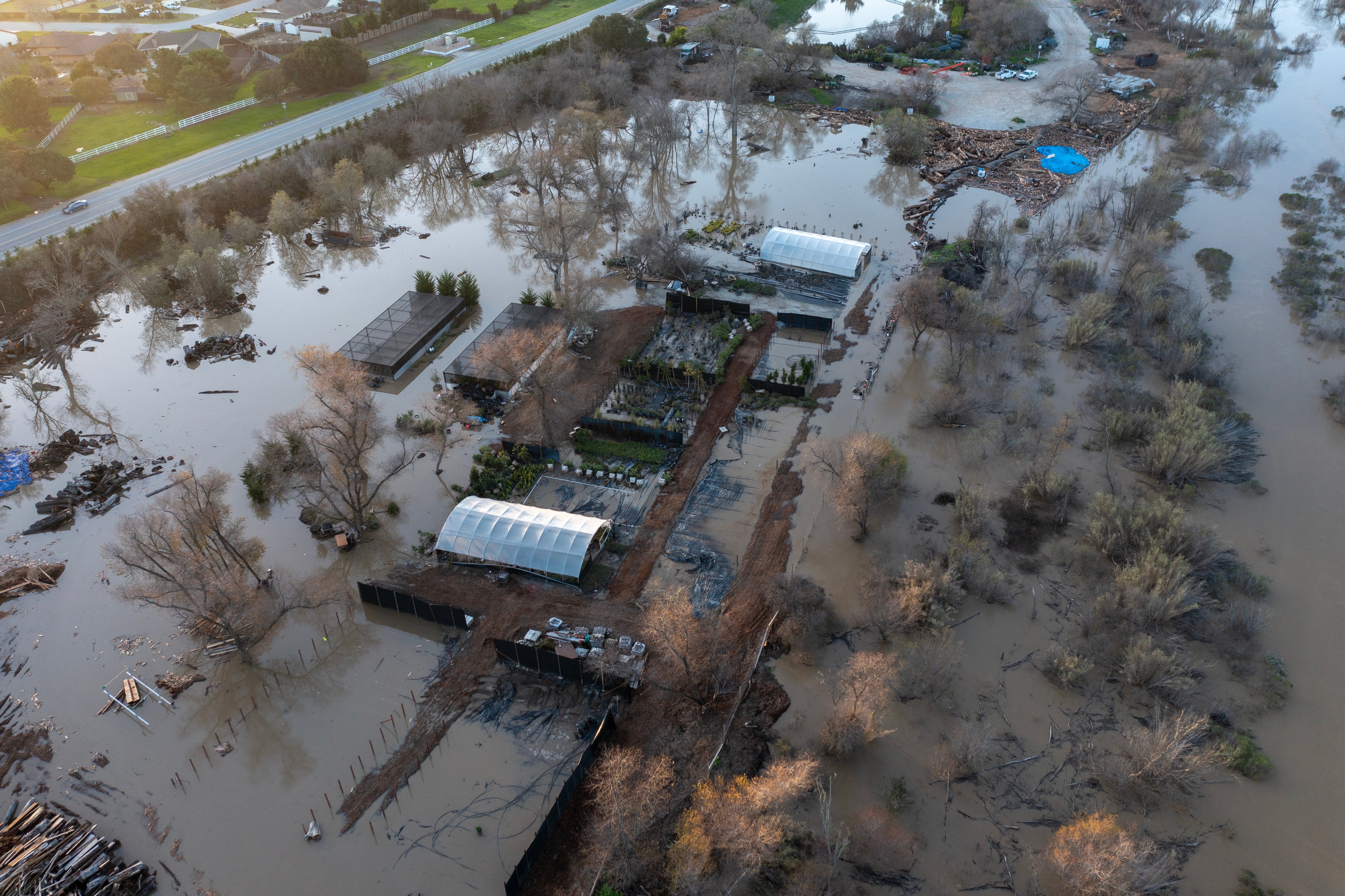
Latin American nations require an immediate and proactive strategy to confront the severe risks posed by the extreme variant of the El Niño phenomenon. This climatic event poses a significant threat to the food security of numerous countries across the region. The potential impacts range from agricultural disruptions to broader economic instability, necessitating coordinated regional action. El Niño's intensified effects can lead to unpredictable weather patterns, including droughts and floods, which directly affect crop yields and livestock. Addressing these challenges requires a unified approach to resource management, disaster preparedness, and agricultural adaptation. The urgency stems from the potential for widespread food shortages and the subsequent social and economic repercussions. Therefore, a comprehensive and collaborative plan is essential to mitigate the adverse effects and ensure the resilience of the region's food systems.
The heightened intensity of El Niño presents a critical challenge to regional food security, underscoring the interconnectedness of climate patterns and human systems. Proactive, coordinated strategies are essential to build resilience against predictable climate shocks. This situation highlights the need for long-term investment in climate-resilient agriculture and robust early warning systems. Future-proofing against such events requires a systemic approach that considers not only immediate relief but also sustainable adaptation measures, potentially involving international cooperation and technological innovation to buffer vulnerable populations and economies.
AI-generated to prompt reflection — not editorial opinion, not advice, not a statement of fact. How this works.