Latin America's First Three-Gene-Inactivated Pig Born for Human Transplants
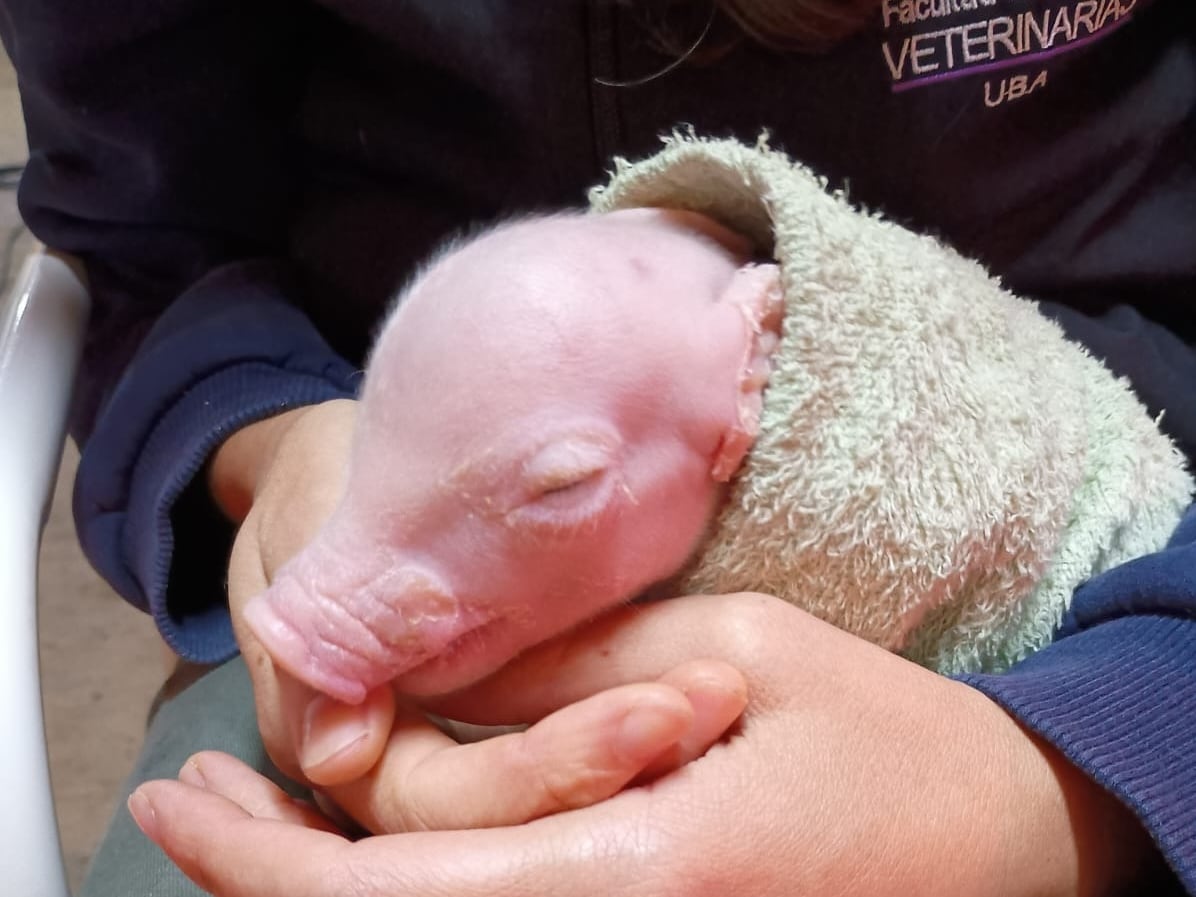
Researchers in Argentina have announced the birth of the first pig in Latin America whose genome has been modified with three inactivated genes. This groundbreaking development, a collaboration between the University of Buenos Aires (UBA) and the National University of General San Martín (Unsam), aims to significantly reduce immunological rejection in future xenotransplantation procedures. Xenotransplantation involves transplanting organs or tissues from one species to another. The inactivation of these specific genes is crucial for making animal organs more compatible with the human immune system. This achievement marks a significant step forward in the field of regenerative medicine and organ transplantation. The successful birth of this pig represents the third instance globally where this specific genetic modification has been achieved for xenotransplantation purposes. The research holds promise for addressing the critical shortage of human organs available for transplantation worldwide. While still in its early stages, this development opens new avenues for potentially life-saving treatments.
The successful genetic modification of a pig for xenotransplantation purposes in Latin America, a third globally, signifies a maturing technological capability in the region. This advancement addresses the persistent global shortage of human organs, a critical public health challenge. By reducing immunological barriers, such research aims to create a more viable supply chain for organs, potentially lowering costs and increasing accessibility in the long term. However, ethical considerations surrounding animal welfare and the long-term safety and efficacy of xenotransplants in humans will require robust regulatory frameworks and ongoing public discourse. The development also highlights the increasing capacity of South American institutions to contribute to cutting-edge biomedical research, potentially shifting global research and development dynamics.
AI-generated to prompt reflection — not editorial opinion, not advice, not a statement of fact. How this works.