Latin America's Rightward Shift: Explaining the Surge in Conservative Electoral Victories
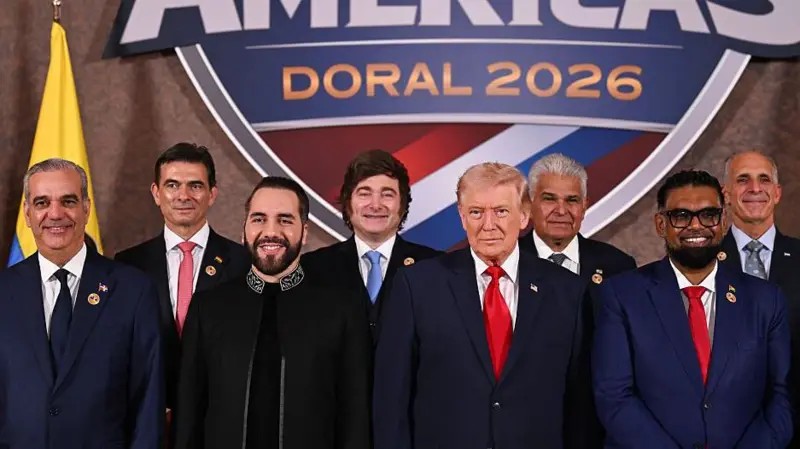
Right-wing politicians are experiencing a wave of electoral victories across Latin America, significantly altering the continent's political landscape. As of late July, Keiko Fujimori's presidential win in Peru marked the latest success, with Colombia's Abelardo de la Espriella set to take office on August 7th. This brings the total number of right-leaning heads of state to 12, a notable increase from earlier in 2023 when left-leaning governments predominated. While Brazil and Mexico, the region's largest democracies, remain under left-wing leadership, Brazil is heading into a potentially tight election between President Lula and right-wing Senator Flávio Bolsonaro. The current wave of right-wing leaders, though varying in their specific approaches, often express ideological solidarity and adopt similar symbols, such as El Salvador's Nayib Bukele's controversial mega-prison. A primary driver behind this trend is a widespread public demand for more effective crime fighting. Public security is a major concern, exacerbated by rising violence and extortion in countries like Ecuador and Peru. Even in Chile, where homicide rates are lower than in Mexico or Colombia, fear of crime has surged. Right-wing candidates, including Fujimori, de la Espriella, Daniel Noboa in Ecuador, José Antonio Kast in Chile, and Nasry Asfura in Honduras, have capitalized on this by campaigning on promises of "order" and a "strong hand" against crime. Nayib Bukele has become a prominent regional figure for his crackdown on gang violence, albeit through a state of exception that suspended constitutional guarantees and led to accusations of abuse. Experts suggest that this new right-wing movement is also distinguished by its effective use of social media, more aggressive rhetoric against opponents and "woke culture," and a style that echoes that of former U.S. President Donald Trump. This shift may also be linked to increased support for market economies, with backing rising from 58% in 2020 to 66% in 2024, potentially explaining the appeal of reducing state intervention, as symbolized by Javier Milei's campaign in Argentina. However, the long-term sustainability of this trend is uncertain, as voters often punish incumbent governments, and several right-wing leaders are already facing challenges such as economic stagnation, rising unemployment, and persistent crime rates.
The recent electoral surge of right-wing parties in Latin America appears to be driven by a confluence of factors, prominently including public demand for enhanced security and a perceived failure of left-wing governments to adequately address poverty and inequality. The adoption of tougher stances on crime, coupled with a more aggressive and digitally savvy communication style, has resonated with electorates seeking decisive action. This phenomenon also coincides with a broader regional shift towards market-oriented economic policies. However, the effectiveness and sustainability of these right-wing governance models remain to be seen, especially as leaders grapple with complex socio-economic challenges and the potential for public disillusionment if promised improvements in security and economic well-being do not materialize. The next decade will likely test whether these populist approaches can deliver tangible, long-term stability or if they represent a temporary response to systemic issues.
AI-generated to prompt reflection — not editorial opinion, not advice, not a statement of fact. How this works.