Latino Identity Leads to Increased ICE Scrutiny, Says Mexican-American Woman
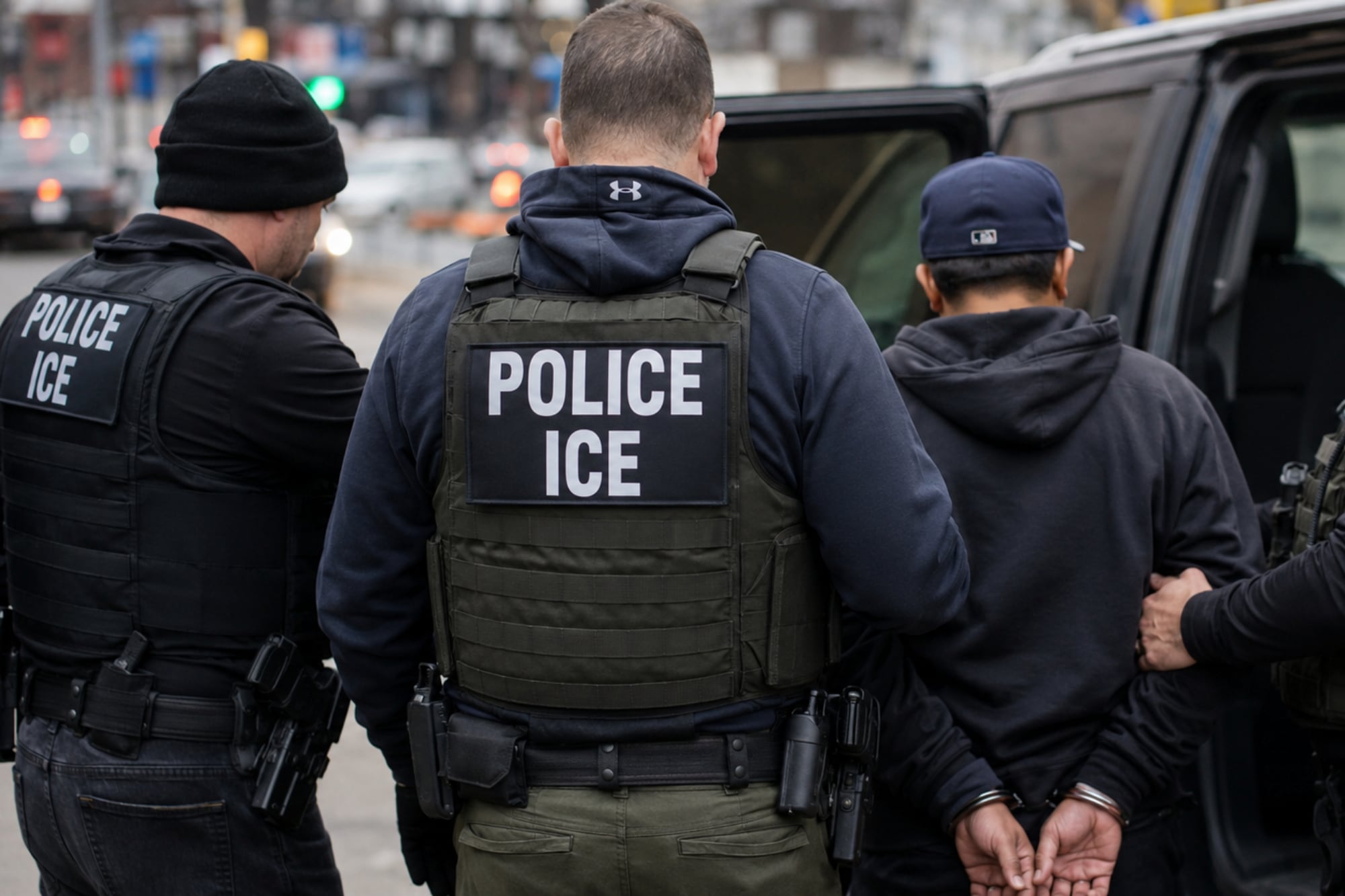
Lupe Muñoz, an American of Mexican origin, has spoken out about the heightened fear among Latino citizens and residents in the United States due to increased Immigration and Customs Enforcement (ICE) operations. Muñoz's testimony highlights a perception that individuals are targeted for detention based on their perceived Latino appearance. This sentiment suggests a broader concern that racial profiling may be influencing ICE's enforcement actions. The increased operational tempo of ICE appears to be creating an environment of anxiety within the Latino community. This situation raises questions about the methods and impact of immigration enforcement on individuals regardless of their legal status. The fear described by Muñoz indicates a significant psychological toll on a community that feels under constant surveillance. Such experiences can erode trust between communities and law enforcement agencies. The situation underscores the importance of ensuring that immigration enforcement practices are fair and do not disproportionately affect specific ethnic or racial groups. The testimony points to a potential disconnect between the stated goals of immigration enforcement and its perceived impact on the ground.
The reported experiences suggest a potential systemic issue where perceived ethnicity may influence law enforcement interactions, leading to increased scrutiny of individuals identified as Latino. This dynamic, if prevalent, could stem from implicit biases within operational guidelines or enforcement priorities, creating a climate of fear and distrust. From a public policy perspective, such perceptions necessitate a review of ICE's operational strategies and training to ensure adherence to principles of equal protection and due process. The long-term societal impact of such enforcement patterns includes potential alienation of communities vital to the nation's social and economic fabric. Addressing these concerns requires a transparent evaluation of data related to stops, detentions, and arrests, disaggregated by ethnicity, to identify and rectify any disproportionate impacts and to reinforce public confidence in fair and equitable treatment under the law.
AI-generated to prompt reflection — not editorial opinion, not advice, not a statement of fact. How this works.