Latvian Police Apprehend Multiple Drunk Drivers Over Busy Weekend
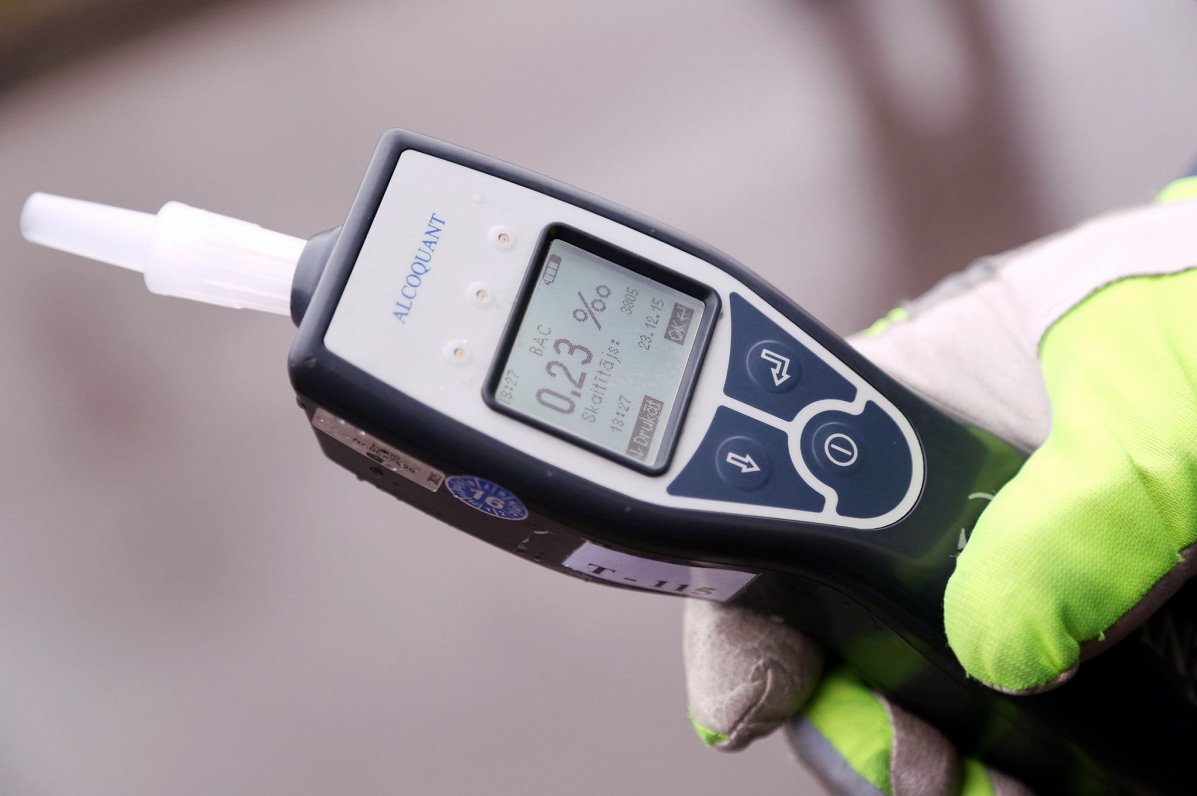
Police in Latvia's Vidzeme region reported a busy weekend encountering numerous drunk drivers, indicating a persistent issue with the country's drinking and driving culture. Two specific cases highlighted the severity of the problem, as documented by the regional newspaper Ziemeļlatvija. The incidents suggest that efforts to curb impaired driving may not be yielding significant improvements. The police presence on Vidzeme's roads led to the apprehension of several individuals who were found to be driving under the influence of alcohol. These encounters underscore ongoing challenges in public safety related to alcohol consumption and vehicle operation. The newspaper's report implies that the problem is widespread and not confined to isolated incidents. Further details on the specific circumstances of the two notable cases were not provided in the initial report. The overall message from the weekend's police activity points to a continued need for vigilance and enforcement regarding drunk driving laws.
The reported increase in drunk driving incidents over a single weekend in Latvia's Vidzeme region suggests that current public awareness campaigns and enforcement strategies may not be sufficiently deterring individuals from operating vehicles while impaired. This situation highlights a potential disconnect between legislative efforts and behavioral change. From a public policy perspective, sustained investment in education, coupled with robust and visible enforcement, is crucial. Examining the societal factors that contribute to a 'drink-driving culture' could reveal underlying issues, such as inadequate public transportation options or social norms that normalize alcohol consumption with driving. Future strategies might benefit from exploring innovative technological solutions or community-based initiatives to foster greater accountability and reduce the incidence of this preventable risk.
AI-generated to prompt reflection — not editorial opinion, not advice, not a statement of fact. How this works.