Latvian Study Tracks Wild Boars with GPS to Understand Forest Behavior
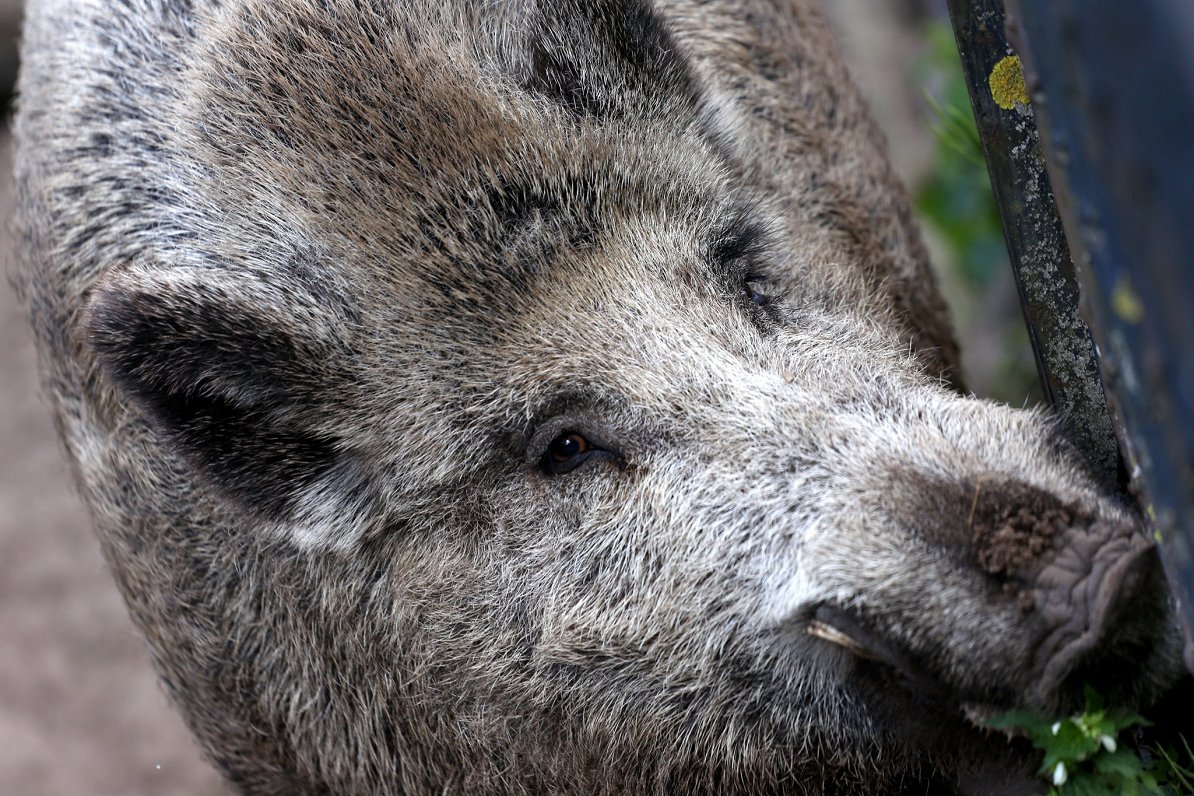
An innovative research project has commenced in Latvia in early July, aiming to shed light on the behavior of wild boars within their natural habitat. The core of this initiative involves the capture of adult wild boars. Once safely caught, these animals will be fitted with GPS transmitters. This technology will allow researchers to monitor their movements and activities in unprecedented detail. The study seeks to understand the daily routines, ranging patterns, and habitat usage of wild boars. By tracking their locations, scientists hope to gain valuable insights into how these animals interact with their environment. This data is expected to contribute significantly to wildlife management and conservation efforts in the region. The project represents a novel approach to studying wild boar populations.
This initiative employs advanced tracking technology to gather empirical data on wild boar behavior, moving beyond anecdotal observation. By quantifying movement patterns and habitat utilization, the study aims to inform more effective wildlife management strategies. Understanding these dynamics is crucial in balancing ecological needs with potential human-wildlife conflicts, particularly as landscapes evolve. The data generated could reveal critical insights into population health, resource competition, and the impact of environmental changes on these animals, providing a foundation for evidence-based conservation policies over the next decade.
AI-generated to prompt reflection — not editorial opinion, not advice, not a statement of fact. How this works.