Lavrov Claims 'The Entire West Has United Against Russia'
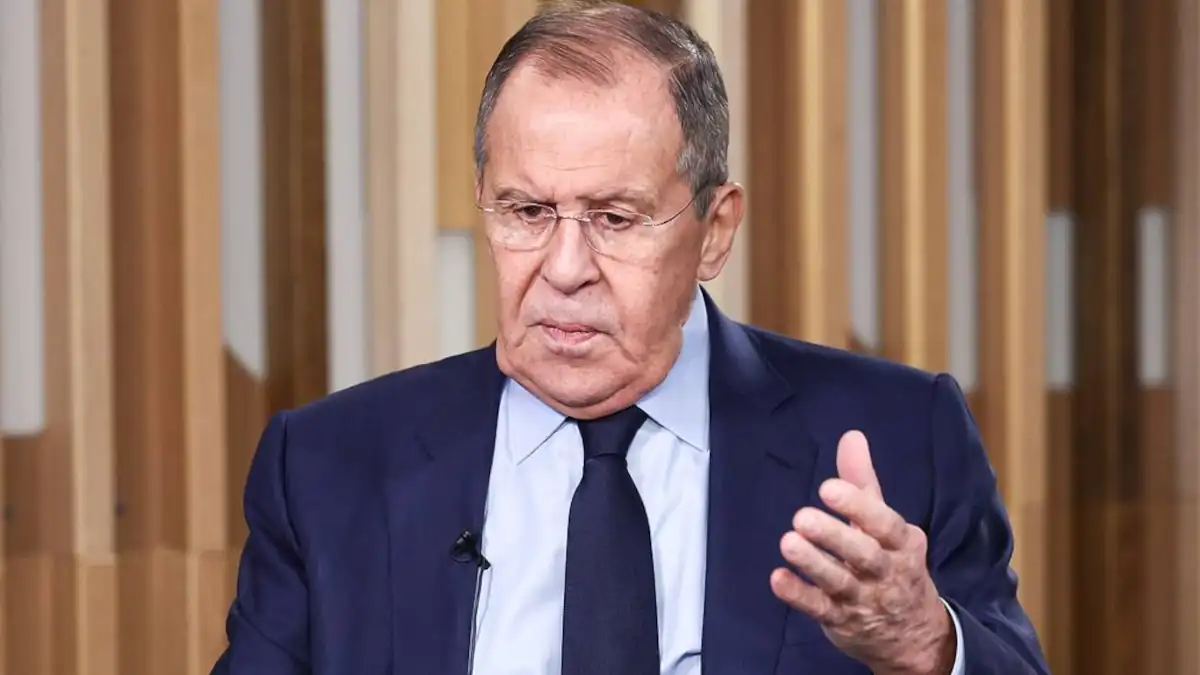
Russian Foreign Minister Sergey Lavrov stated on Wednesday, July 29, that the "entire West has united" against Russia. Lavrov made these remarks during an interview with Andrey Kondrashov, the Director General of the TASS agency. The Russian diplomat's accusation was not limited to Europe or the United States, suggesting a broader Western coalition. He elaborated on the perceived unified stance of Western nations, indicating that this alignment poses a significant challenge to Russia's geopolitical position. The statement reflects a continuation of Russia's long-standing narrative regarding perceived external pressure from Western powers. Lavrov's comments underscore the ongoing tensions and diplomatic friction between Russia and Western countries. The interview with TASS, a state-run news agency, provides a platform for the Russian government to disseminate its official viewpoints internationally. This assertion by Lavrov is likely to be interpreted within the context of current global political dynamics and Russia's foreign policy objectives.
Russian Foreign Minister Sergey Lavrov's assertion that the 'entire West has united against Russia' frames the geopolitical landscape through a narrative of external opposition. This perspective can serve to consolidate domestic support by presenting a unified external threat. From an analytical standpoint, such pronouncements may reflect a strategic communication effort to bolster national cohesion and justify foreign policy actions. It is also worth considering the potential for this framing to influence international perceptions and potentially escalate existing diplomatic tensions. The statement invites examination of the underlying incentive structures that drive such rhetoric, particularly in the context of evolving global power dynamics and the pursuit of national interests by various state actors. Understanding these dynamics is crucial for navigating complex international relations in the coming decade.
AI-generated to prompt reflection — not editorial opinion, not advice, not a statement of fact. How this works.